"I am not one who was born in the custody of wisdom. I am one who is fond of olden times and intense in quest of the sacred knowing of the ancients." Gustave Courbet
Showing posts with label Plato. Show all posts

02 August 2026

Seeming.

Vasari, The Mutilation of Uranus by Saturn, 1566


Observing Plato one day at a costly banquet taking olives, "How is it," he said,⁠ "that you the philosopher who sailed to Sicily for the sake of these dishes, now when they are before you do not enjoy them?" 

"Nay, by the gods, Diogenes," replied Plato, "there also for the most part I lived upon olives and such like.

"Why then," said Diogenes, "did you need to go to Syracuse? Was it that Attica at that time did not grow olives?" But Favorinus in his Miscellaneous History attributes this to Aristippus. 

Again, another time he was eating dried figs when he encountered Plato and offered him a share of them. When Plato took them and ate them, he said, "I said you might share them, not that you might eat them all up."

And one day when Plato had invited to his house friends coming from Dionysius, Diogenes trampled upon his carpets and said, "I trample upon Plato's vainglory." Plato's reply was, "How much pride you expose to view, Diogenes, by seeming not to be proud." 

Diogenes Laƫrtius, from Lives of the Eminent Philosophers

There is nothing more dangerous on the battlefield than the overconfidence of an untested warrior.

06 July 2026

Until.

Raphael, The School of Athens (detail), 1509


Until philosophers are kings, or the kings and princes of this world have the spirit and power of philosophy cities will never have rest from their evils.

02 April 2026

True.


What if man had eyes to see the true beauty—the divine beauty, I mean, pure and clear and unalloyed, not clogged with the pollutions of mortality and all the colours and vanities of human life—thither looking, and holding converse with the true beauty simple and divine?

Beholding beauty with the eye of the mind, he will be enabled to bring forth, not images of beauty, but realities (for he has hold not of an image but of a reality), and bringing forth and nourishing true virtue to become the friend of God and be immortal, if mortal man may.

Plato, from "Ladder of Love"

23 June 2023

Inspired.


The man who arrives at the doors of artistic creation with none of the madness of the Muses would be convinced that technical ability alone was enough to make an artist.  What that man creates by means of reason will pale before the art of inspired beings. 

Plato

24 April 2022

Questions.


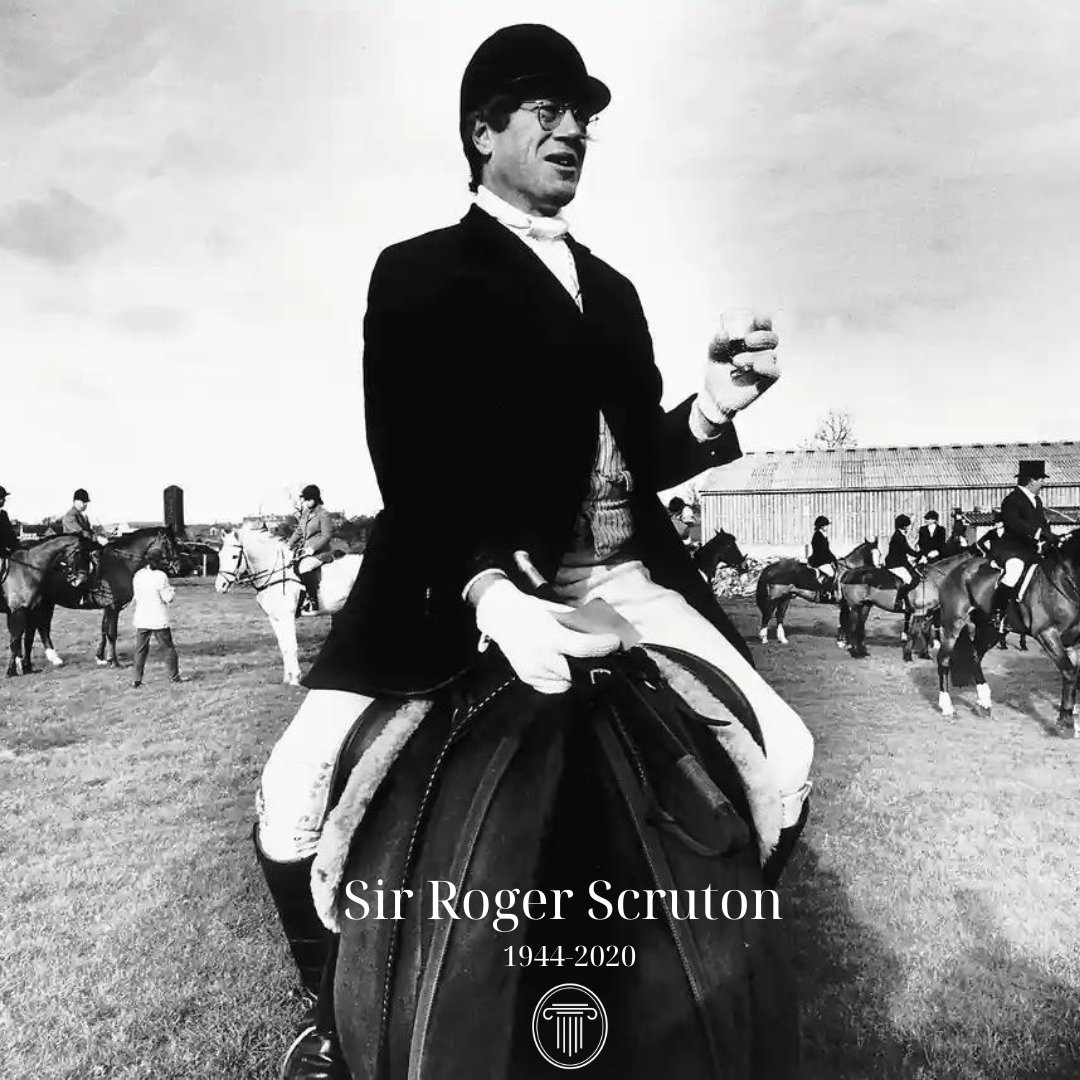
Sir Roger Scruton on the questions that have no answers ...
Not all questions have an answer. In mathematics and science we solve our problems as well as create them. But in art and philosophy things are not so simple. Hamlet's great soliloquy starts with the line: "To be or not to be: that is the question." The play revolves around that question. Would it be better not to exist? Is there anything in human life that makes it worthwhile? When, confronted by the extent of human treachery and scheming, we fall into complete contempt towards our species, is there some trick of thought, some perception, some argument or some appeal to higher authority that will restore the will to live?
When I look at the great artists of the past, I am often struck by the extent to which their work has evolved in response to a question. Milton asked himself how the flawed world in which he lived could be the work of a supremely good God and his answer was Paradise Lost. Bach asked himself how variants and permutations flow from the basic moves in music and his answer was The Art of Fugue. Rembrandt asked himself how the soul is revealed in the flesh and what the lights and textures of our bodies mean, and his answer was his extraordinary series of self-portraits. In art it is always as though the question is what the work of art is really about.

Milton's poem implants the question of man's relation to God in the centre of our consciousness. It does not answer the question but instead creates wonder and awe in response to it. Wonder and awe are the diet of the artist and without them the world would be far less meaningful to us than it is.

The same is true of philosophy. Although there are philosophers who give answers, it is usually their questions and not their answers that have survived. Plato asked how it is that we can think about the property of redness and not just about red things. How can finite human minds gain access to universal realities? Plato's question is still with us, even though few people today would accept his answer to it. Aristotle asked how it is that there can be time and change in an ordered universe. Is there a prime mover who sets it all in motion? Few would accept Aristotle's answer to this question: but the question remains. How can there be time, change, process and becoming, in a world that could as easily have been permanently at rest? 
CONNECT

26 August 2020

Sing.


Every heart sings a song, incomplete, until another heart whispers back. Those who wish to sing always find a song. At the touch of a lover, everyone becomes a poet.

Plato

18 April 2020

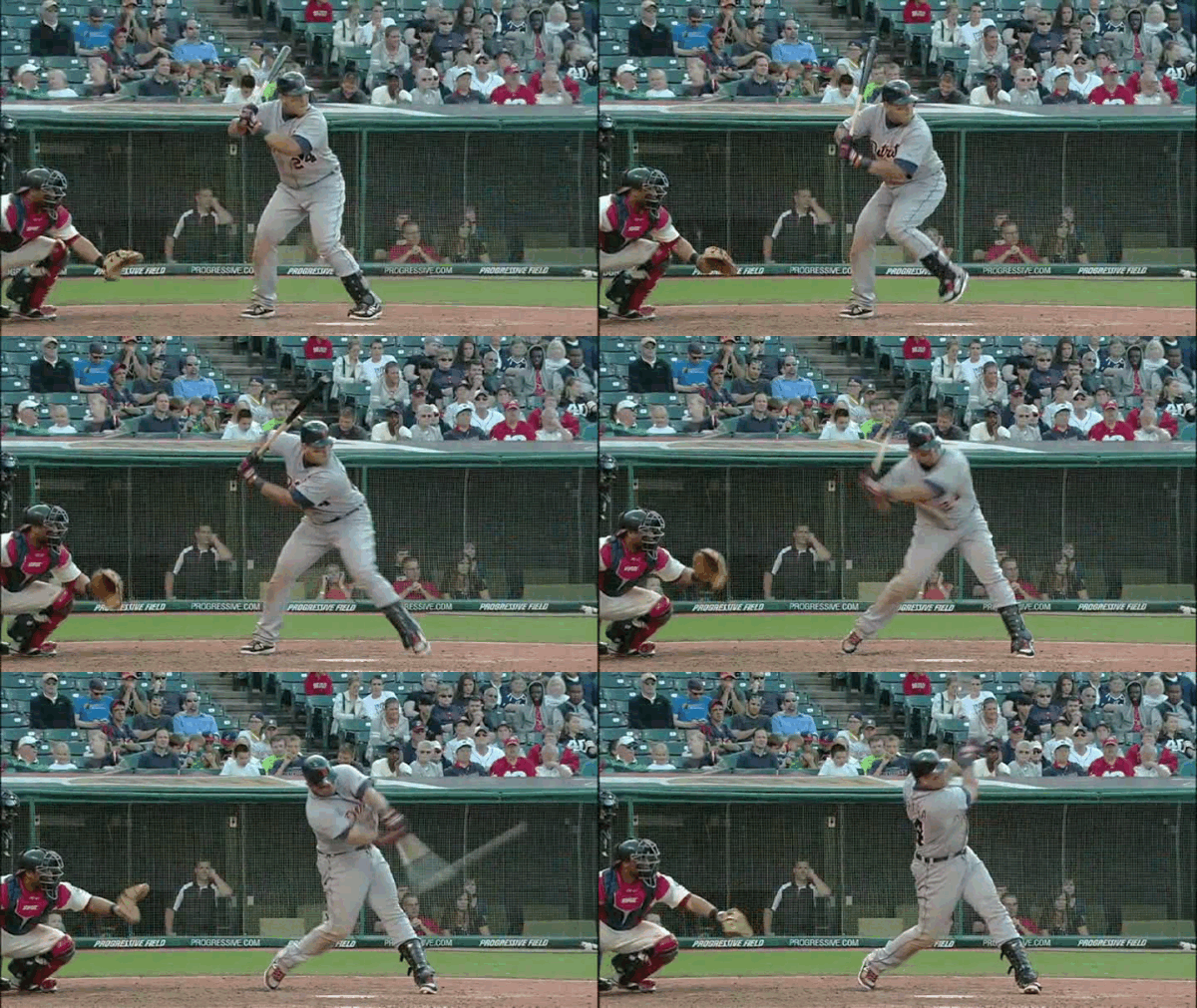
Happy Birthday, Big Fella


Miguel Cabrera was born on this date in 1983.

The measure of a man is what he does with power.
Plato

13 April 2020

Until.


Every heart sings a song, incomplete, until another heart whispers back. Those who wish to sing always find a song. At the touch of a lover, everyone becomes a poet.

Plato

16 March 2018

Always.


Every heart sings a song, incomplete, until another heart whispers back. Those who wish to sing always find a song. At the touch of a lover, everyone becomes a poet.

Plato

22 December 2017

Inspired.


The man who arrives at the doors of artistic creation with none of the madness of the Muses would be convinced that technical ability alone was enough to make an artist. What that man creates by means of reason will pale before the art of inspired beings.

Plato

29 November 2017

Divine.

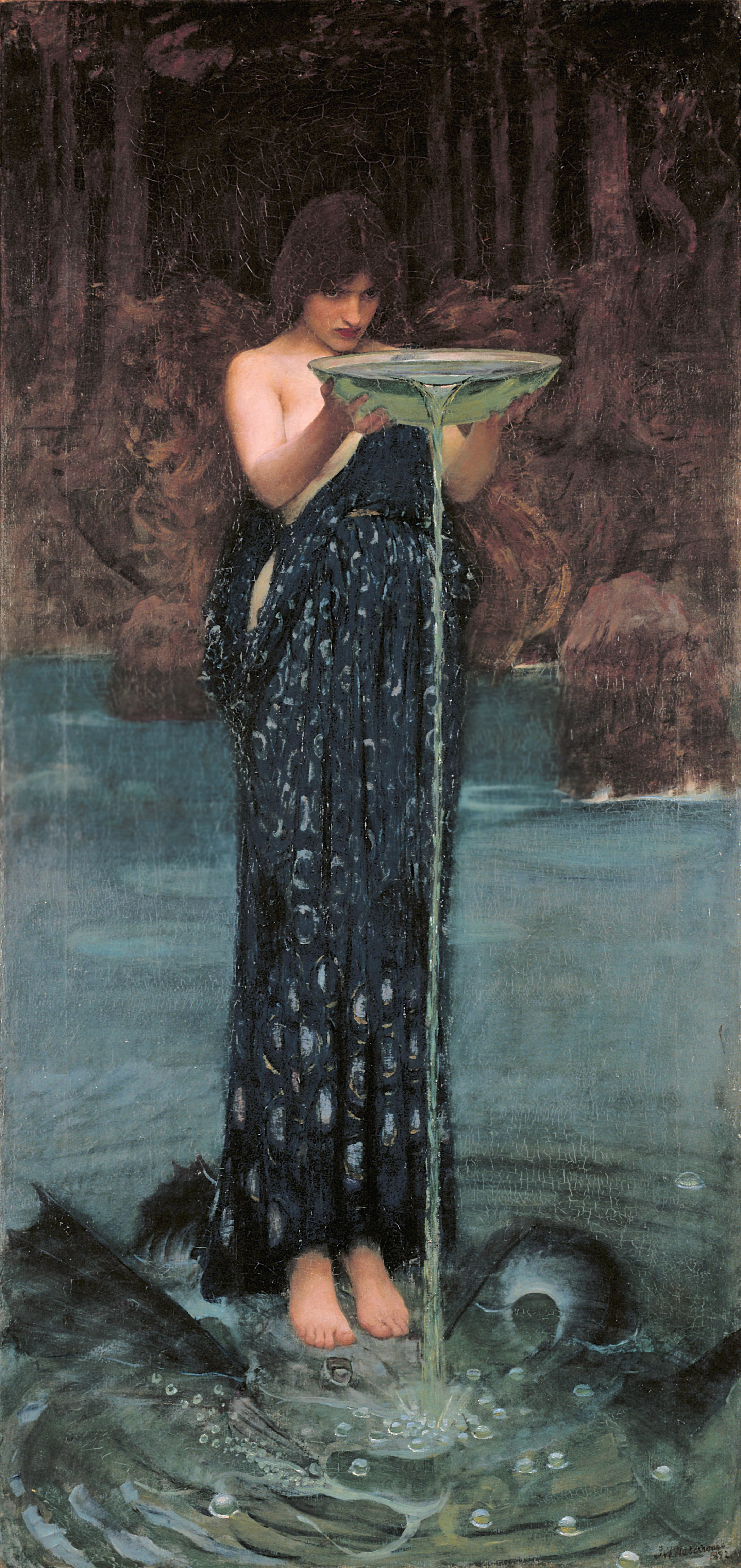
Waterhouse, Circe Invidiosa, 1892


If it were simply the case that insanity is evil, then this would be said truly. But, in truth, the greatest goods come to us from madness when it is given as a divine gift. For the prophet at Delphi and the priestesses at Dodona have completed many fine things for Greece both in public and private, because they were insane. But when they are in their right minds, they have done little or nothing.

And if we speak about the Sibyl and the rest—however many provide prophecy while inspired and by predicting many things for many people have improved their lives—we should clearly be spending a long time describing it all. This is also worthy of acknowledging, that the ancients who gave things names did not belief that madness was shameful or worthy of reproach. For they would not have interwoven this name—mania—with that finest art by which the future is judged.

No, instead, since it is a divine dispensation and because it is noble, they named it according to their belief. These days people call it the mantic art, callously adding a tau. When they name sane people’s investigation of the future through other means like bird omens and similar signs—since they must provide from their own perspective the mind (nous) and inquiry (historia) by means of human thought (oiĆŖsis)—they call it oionoistic thought and make it more reverent by adding an omega as current people do. How much more complete and honorable prophecy is to augury both in name and in its action the ancients assert it is that much superior because madness is divine in origin and sanity is human.

Plato

15 May 2015

Progress.


Never discourage anyone who continually makes progress, no matter how slow.

Plato

01 May 2015

Back.


Every heart sings a song, incomplete, until another heart whispers back. At the touch of a lover, everyone becomes a poet.

Plato