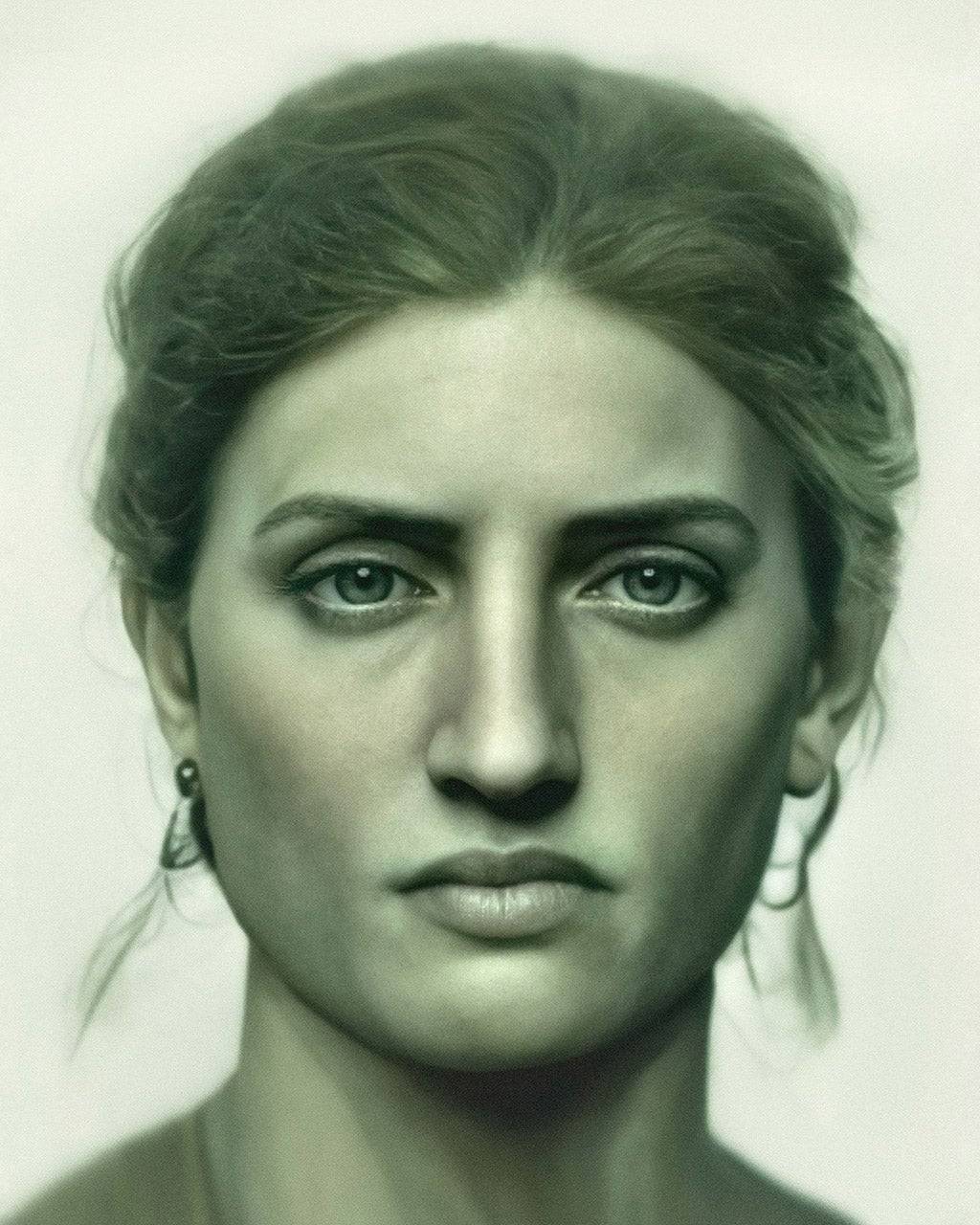
"I am not one who was born in the custody of wisdom. I am one who is fond of olden times and intense in quest of the sacred knowing of the ancients." Gustave Courbet
Showing posts with label muses. Show all posts

20 July 2024

Muses.


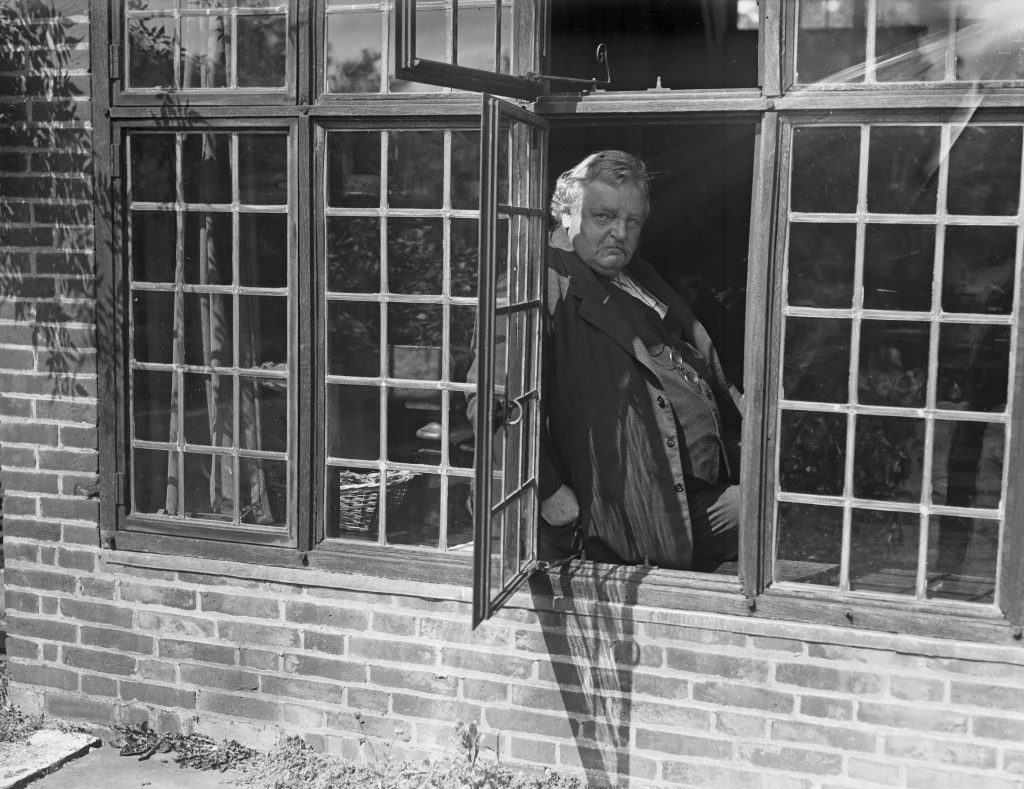
A painting requires a little mystery, some vagueness, and some fantasy.  Muses work all day long and then at night get together and dance.

Edgar Degas

07 December 2019

Into.

Alleaume, Beethoven Listening to a Muse, 1928


Don’t only practice your art, but force your way into its secrets, for it and knowledge can raise men to the divine.

Ludwig van Beethoven

08 September 2018

Evolve.

Courbet, La Bacchante, 1846


An artist has to evolve some standards, because nobody's asking you to do this, and what you think of as your muse is really a couple of dozen violent bacchantes.

Jim Harrison

29 July 2018

Madness.


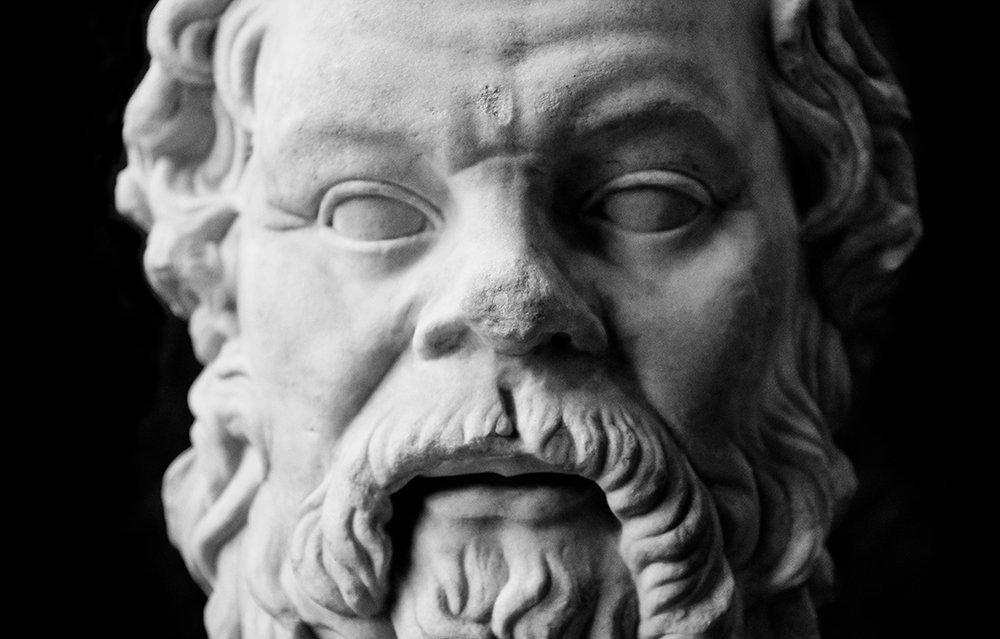
If a man comes to the door of poetry untouched by the madness of the Muses, believing that technique alone will make him a good poet, he and his sane compositions never reach perfection, but are utterly eclipsed by the performances of the inspired madman.

Socrates

05 December 2017

Inspiring.


mosaic (n.)
c. 1400, from Old French mosaicq "mosaic work," from Italian mosaico, from Medieval Latin musaicum "mosaic work, work of the Muses," noun use of neuter of musaicus "of the Muses," from Latin Musa (see muse). Medieval mosaics were often dedicated to the Muses. The word formed in Medieval Latin as though from Greek, but the (late) Greek word for "mosaic work" was mouseion (Klein says this sense was borrowed from Latin). Figurative use is from 1640s. As an adjective in English from 1580s. Related: Mosaicist.

muse (n.)
late 14c., protectors of the arts, from Old French Muse and directly from Latin Musa, from Greek Mousa, "the Muse," also "music, song," from PIE root *men- (1) "to think." Meaning "inspiring goddess of a particular poet" is from late 14c.
08 December 2014