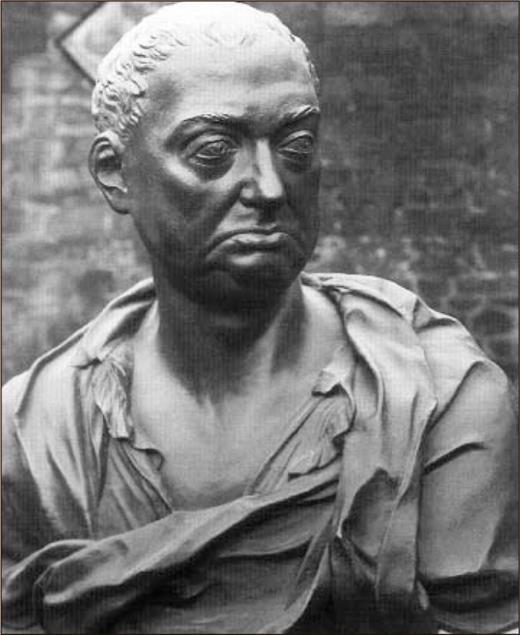
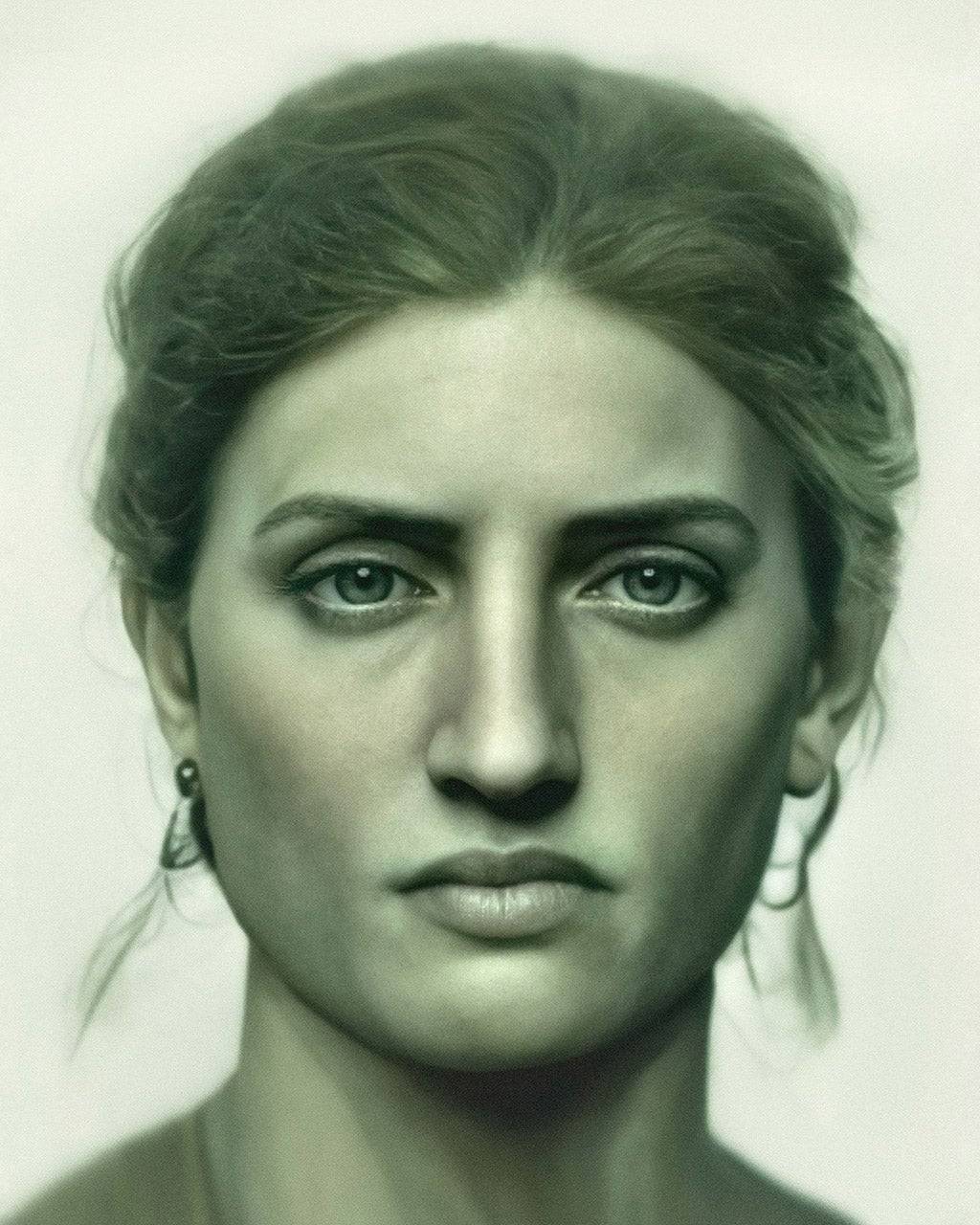
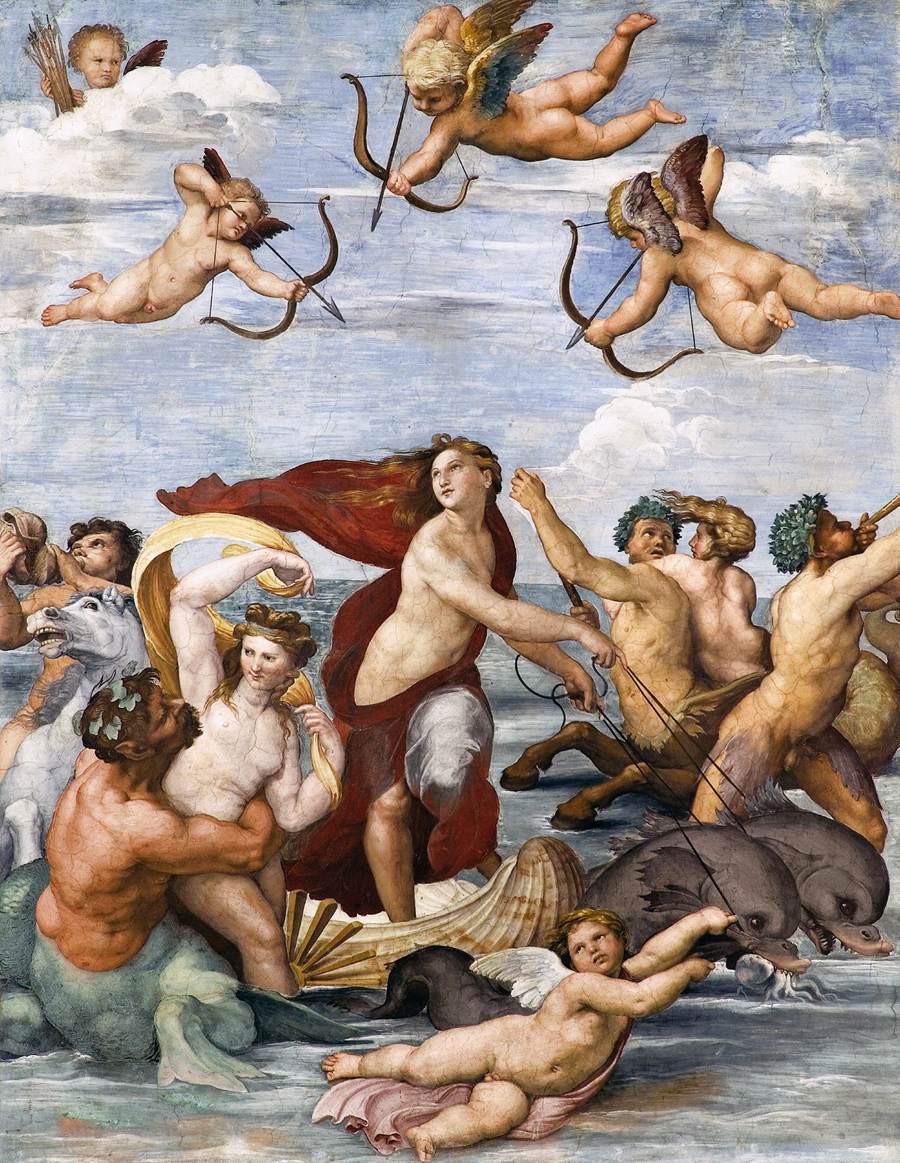
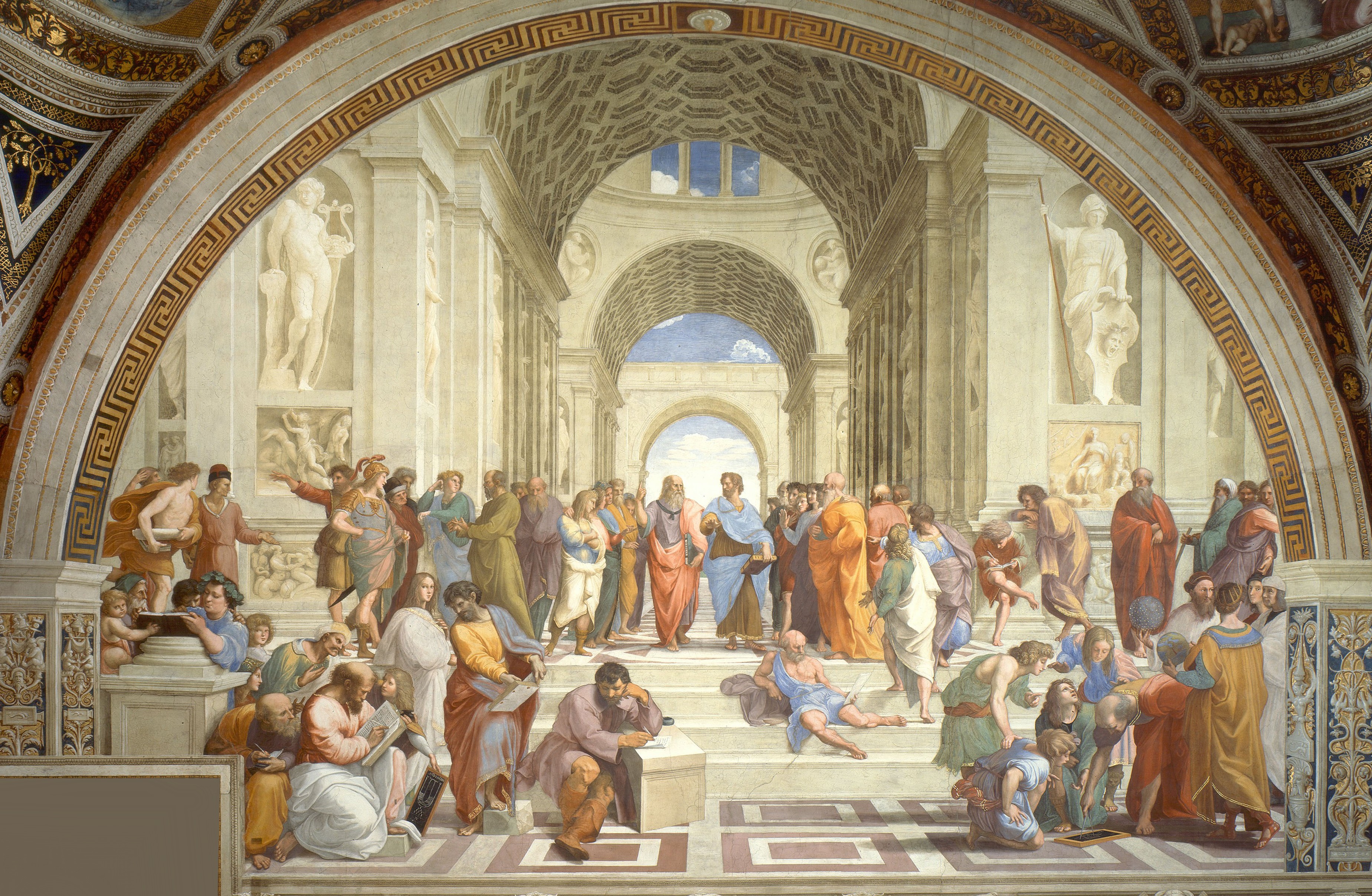
Raphael, The School of Athens (detail), 1509

Until philosophers are kings, or the kings and princes of this world have the spirit and power of philosophy cities will never have rest from their evils.
Plato, from The Republic, Book V

Our students’ ignorance is not a failing of the educational system – it is its crowning achievement. Efforts by several generations of philosophers and reformers and public policy experts — whom our students (and most of us) know nothing about — have combined to produce a generation of know-nothings. The pervasive ignorance of our students is not a mere accident or unfortunate but correctible outcome, if only we hire better teachers or tweak the reading lists in high school. It is the consequence of a civilizational commitment to civilizational suicide. The end of history for our students signals the End of History for the West.
Nothing's changed. I know colleagues who tell me they hate reading.


A liberal education implies breadth and depth: basic knowledge in a range of disciplines, focused by more concentrated work in one. These goals are common to all liberal arts institutions, but at Brown they have a special context. Our open curriculum ensures you great freedom in directing the course of your education, but it also expects you to remain open—to people, ideas, and experiences that may be entirely new. By cultivating such openness, you will learn to make the most of the freedom you have, and to chart the broadest possible intellectual journey, not just during your first semesters but through your entire time at Brown.What does it mean to be broadly educated? The first Western universities conceived of the liberal arts as seven distinct modes of thought, three based on language (grammar, rhetoric, and logic), and four on number (arithmetic, geometry, music, and astronomy). While this structure has changed over the centuries, the basic concept has endured. A modern liberal arts education is still defined in terms of a core curriculum comprised of several areas of knowledge. At Brown, rather than specifying these areas, we challenge you to develop your own core. Over four years you will sample courses in the humanities, the social sciences, the life sciences, and the physical sciences. But the real challenge is to make connections between those courses, using the perspective gained from one discipline as a window onto the next. The most significant social, political, and moral issues of our time require the ability to think from multiple vantage points, and Brown’s curriculum affords you the opportunity to develop just this sort of nuanced perspective.
The liberal arts education has its roots in ancient history and the subjects deemed necessary for a citizen to take part in civic society. In the modern era, a liberal arts education stems from the belief that an interdisciplinary education prepares students for society through exposure to a breadth of academic disciplines while allowing for depth in a major area of study. Students need to be adaptable in a fast-paced, interconnected world; through a four-year discourse with peers, students will learn analysis, argument, quantitative reasoning, logical inference and creative thinking. Students are encouraged to ask critical questions; not just the how, but the why. Not only will this instill personal passions for students, but many employers rank skills such as working in a team structure, communication, decision making and problem solving, and obtaining and processing information very highly in job candidates. A true liberal arts education is achieved without concern for vocational utility, yet at the same time prepares students for the evolving world and job market within which we operate today.
A liberal arts education at Cornell will change the way you think, challenge your assumptions, and make you take a deeper look at the world around you. It will help you understand the foundations of knowledge, inquiry, and creativity, and prepare you for a lifetime of intellectual growth and adventure. Choice and flexibility are the hallmarks of the College of Arts and Sciences’ approach to providing a liberal arts education. As an undergraduate, you’ll have two years to choose a major, which will give you plenty of time to sample courses that intrigue you and expand your academic horizons. The college ensures that you receive broad exposure to important liberal arts disciplines through its distribution requirements in the humanities and arts, science and math, the social sciences, and language. In-depth study in a specific major field helps you develop and hone your reasoning and writing skills.
Freedom of expression and dissent is protected by Dartmouth regulations. Dartmouth prizes and defends the right of free speech and the freedom of the individual to make their own disclosures, while at the same time recognizing that such freedom exists in the context of the law and in responsibility for one's own actions. The exercise of these rights must not deny the same rights to any other individual. The institution therefore both fosters and protects the rights of individuals to express dissent.Protest or demonstration shall not be discouraged so long as neither force nor the threat of force is used, and so long as the orderly processes of the institution are not deliberately obstructed. Membership in the Dartmouth community carries with it, as a necessary condition, the agreement to honor and abide by this policy.
Commitment to liberal arts & sciences is at the core of Harvard College’s mission: before students can help change the world, they need to understand it. The liberal arts & sciences offer a broad intellectual foundation for the tools to think critically, reason analytically and write clearly. These proficiencies will prepare students to navigate the world’s most complex issues, and address future innovations with unforeseen challenges. Shaped by ideas encountered and created, these new modes of thinking will prepare students for leading meaningful lives, with conscientious global citizenship, to enhance the greater good.
A liberal arts education offers an expansive intellectual grounding in all kinds of humanistic inquiry.By exploring issues, ideas and methods across the humanities and the arts, and the natural and social sciences, you will learn to read critically, write cogently and think broadly. These skills will elevate your conversations in the classroom and strengthen your social and cultural analysis; they will cultivate the tools necessary to allow you to navigate the world’s most complex issues.
Yale is committed to the idea of a liberal arts education through which students think and learn across disciplines, liberating or freeing the mind to its fullest potential. The essence of such an education is not what you study, but the result: gaining the ability to think critically and independently and to write, reason, and communicate clearly – the foundation for all professions.