Showing posts with label Hesse. Show all posts
Showing posts with label Hesse. Show all posts
24 January 2025


02 July 2024
Happy Birthday, Hesse
When in the next morning the time had come to start the day’s journey, Govinda said, not without hesitation, these words: “Before I’ll continue on my path, Siddhartha, permit me to ask one more question. Do you have a teaching? Do you have a faith or a knowledge you follow, which helps you to live and to do right?”
Quoth Siddhartha: “You know, my dear, that I already as a young man, in those days when we lived with the penitents in the forest, started to distrust teachers and teachings and to turn my back to them. I have stuck with this. Nevertheless, I have had many teachers since then. A beautiful courtesan has been my teacher for a long time, and a rich merchant was my teacher, and some gamblers with dice. Once, even a follower of Buddha, travelling on foot, has been my teacher; he sat with me when I had fallen asleep in the forest, on the pilgrimage. I’ve also learned from him, I’m also grateful to him, very grateful. But most of all, I have learned here from this river and from my predecessor, the ferryman Vasudeva. He was a very simple person, Vasudeva, he was no thinker, but he knew what is necessary just as well as Gotama, he was a perfect man, a saint.”
Govinda said: “Still, oh Siddhartha, you love a bit to mock people, as it seems to me. I believe in you and know that you haven’t followed a teacher. But haven’t you found something by yourself, though you’ve found no teachings, you still found certain thoughts, certain insights, which are your own and which help you to live? If you would like to tell me some of these, you would delight my heart.”
Quoth Siddhartha: “I’ve had thoughts, yes, and insight, again and again. Sometimes, for an hour or for an entire day, I have felt knowledge in me, as one would feel life in one’s heart. There have been many thoughts, but it would be hard for me to convey them to you. Look, my dear Govinda, this is one of my thoughts, which I have found: wisdom cannot be passed on. Wisdom which a wise man tries to pass on to someone always sounds like foolishness.”
“Are you kidding?” asked Govinda.
“I’m not kidding. I’m telling you what I’ve found. Knowledge can be conveyed, but not wisdom. It can be found, it can be lived, it is possible to be carried by it, miracles can be performed with it, but it cannot be expressed in words and taught. This was what I, even as a young man, sometimes suspected, what has driven me away from the teachers. I have found a thought, Govinda, which you’ll again regard as a joke or foolishness, but which is my best thought. It says: The opposite of every truth is just as true! That’s like this: any truth can only be expressed and put into words when it is one-sided. Everything is one-sided which can be thought with thoughts and said with words, it’s all one-sided, all just one half, all lacks completeness, roundness, oneness. When the exalted Gotama spoke in his teachings of the world, he had to divide it into Sansara and Nirvana, into deception and truth, into suffering and salvation. It cannot be done differently, there is no other way for him who wants to teach. But the world itself, what exists around us and inside of us, is never one-sided. A person or an act is never entirely Sansara or entirely Nirvana, a person is never entirely holy or entirely sinful. It does really seem like this, because we are subject to deception, as if time was something real. Time is not real, Govinda, I have experienced this often and often again. And if time is not real, then the gap which seems to be between the world and the eternity, between suffering and blissfulness, between evil and good, is also a deception.”
Hermann Hesse, born on this day in 1877, from Siddhartha
11 April 2024
Sing.

This day will never come again and anyone who fails to eat and drink and taste and smell it will never have it offered to him again in all eternity. The sun will never shine as it does today, but you must play your part and sing a song, one of your best.
Hermann Hesse
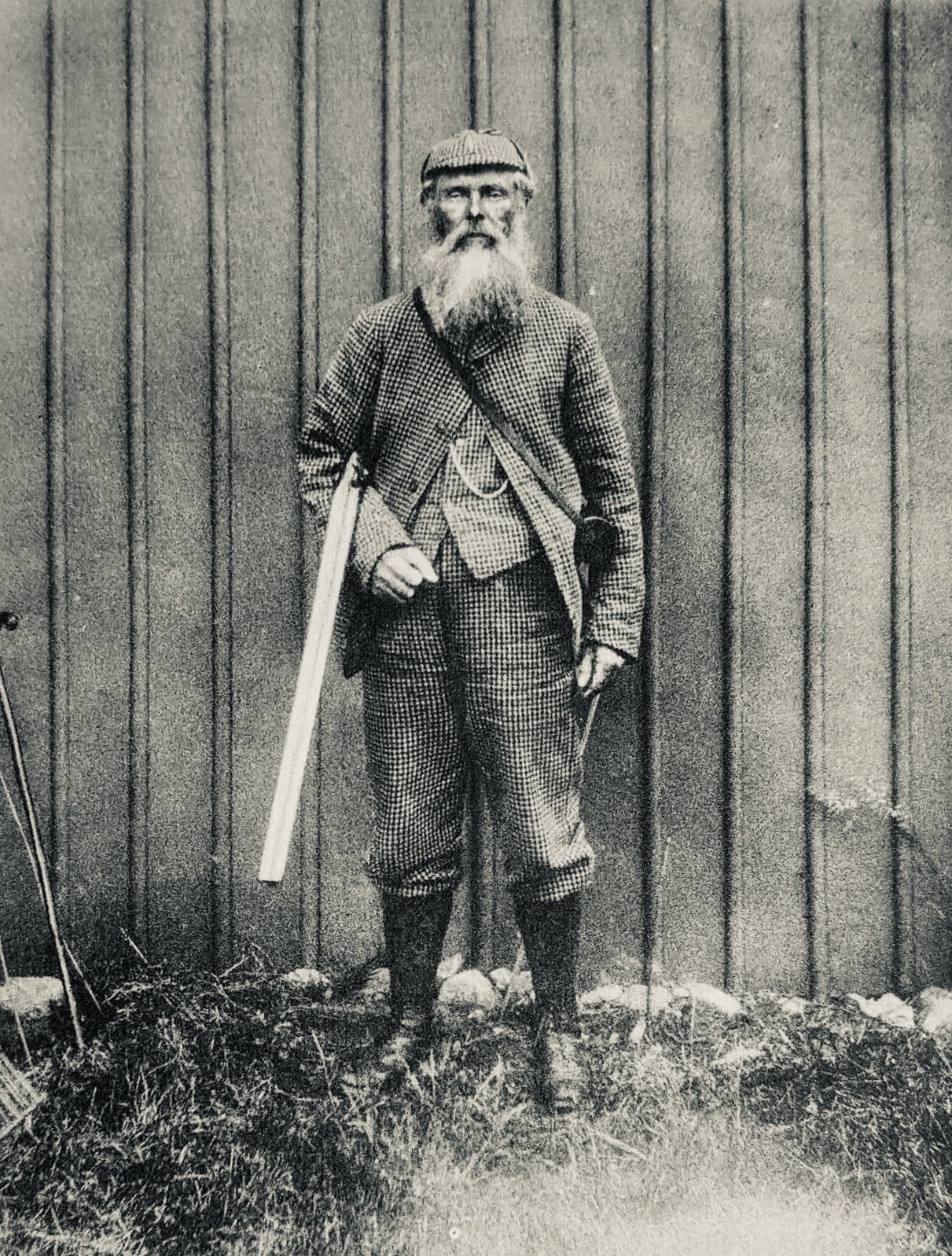
Hats matter.
06 November 2023
Do.
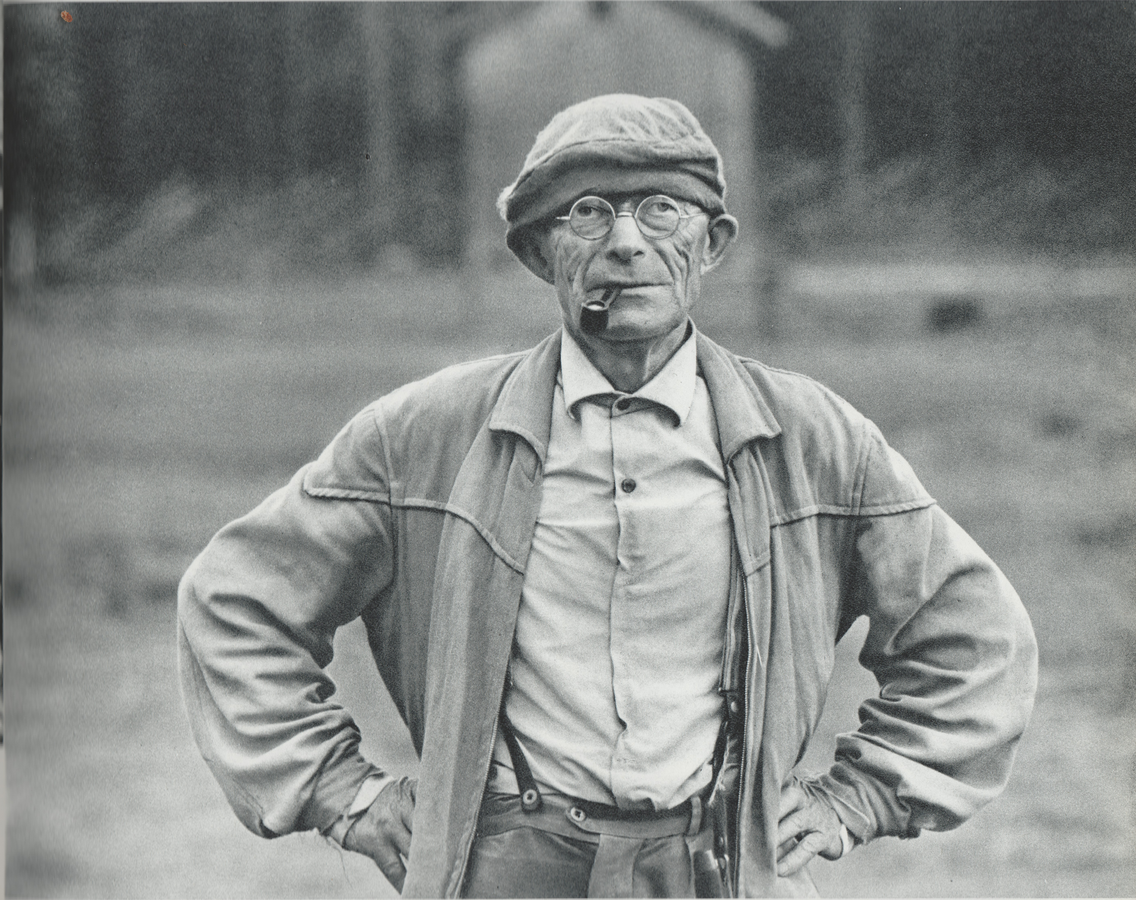
To hold our tongues when everyone is gossiping, to smile without hostility at people and institutions, to compensate for the shortage of love in the world with more love in small, private matters; to be more faithful in our work, to show greater patience, to forgo the cheap revenge obtainable from mockery and criticism: all these are things we can do.
Hermann Hesse
Hats matter.
25 July 2023
Wonderment.
Firchau, Drew, Pine Plantation, 2009

Wonder is where it starts, and though wonder is also where it ends, this is no futile path. Whether admiring a patch of moss, a crystal, flower, or golden beetle, a sky full of clouds, a sea with the serene, vast sigh of its swells, or a butterfly wing with its arrangement of crystalline ribs, contours, and the vibrant bezel of its edges, the diverse scripts and ornamentations of its markings, and the infinite, sweet, delightfully inspired transitions and shadings of its colors — whenever I experience part of nature, whether with my eyes or another of the five senses, whenever I feel drawn in, enchanted, opening myself momentarily to its existence and epiphanies, that very moment allows me to forget the avaricious, blind world of human need, and rather than thinking or issuing orders, rather than acquiring or exploiting, fighting or organizing, all I do in that moment is “wonder,” like Goethe, and not only does this wonderment establish my brotherhood with him, other poets, and sages, it also makes me a brother to those wondrous things I behold and experience as the living world: butterflies and moths, beetles, clouds, rivers and mountains, because while wandering down the path of wonder, I briefly escape the world of separation and enter the world of unity.
Our universities fail to guide us down the easiest paths to wisdom. Rather than teaching a sense of awe, they teach the very opposite: counting and measuring over delight, sobriety over enchantment, a rigid hold on scattered individual parts over an affinity for the unified and whole. These are not schools of wisdom, after all, but schools of knowledge, though they take for granted that which they cannot teach — the capacity for experience, the capacity for being moved, the Goethean sense of wonderment.
Hermann Hesse, from Butterflies: Reflections, Tales, and Verse
19 June 2021
Always.

GLORIOUS WORLD
I feel it again and again, no matter
Whether I am old or young:
A mountain range in the night,
On the balcony a silent woman,
A white street in the moonlight curving gently away
That tears my heart with longing out of my body.
Oh burning world, oh white woman on the balcony,
Baying dog in the valley, train rolling far away,
What liars you were, how bitterly you deceived me,
Yet you turn out to be any sweetest dream and illusion.
Often I tried the frightening way of “reality,”
Where things that count are profession, law, fashion, finance.
But disillusioned and freed I fled away alone
To the other side, the place of dreams and blessed folly.
Sultry wind in the tree at night, dark gypsy woman,
World full of foolish yearning and the poet’s breath,
Glorious world I always come back to,
Where your heat lightning beckons me,
where your voice
calls!
Herman Hesse
05 December 2020
Instead.

Whoever wants music instead of noise, joy instead of pleasure, soul instead of gold, creative work instead of business, passion instead of foolery, finds no home in this trivial world of ours.
Hermann Hesse
11 August 2019
Open.
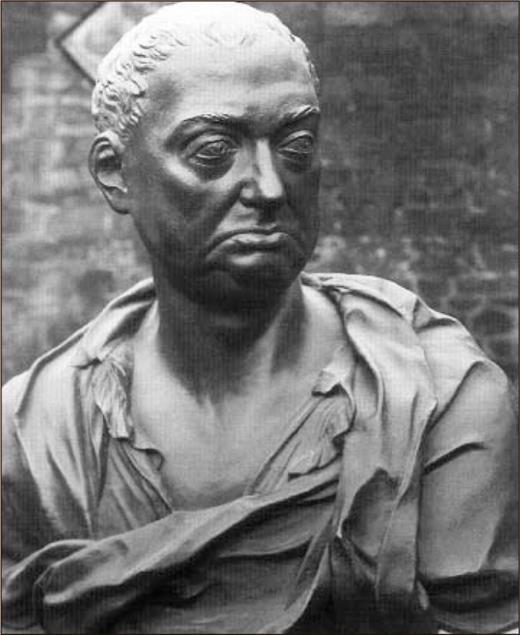
Reynolds, Self-portrait, 1745
.jpg)
Herman Hesse
The world was so beautiful when regarded like this, without
searching, so simply, in such a childlike way. Moons and stars were beautiful,
beautiful were bank and stream, forest and rocks, goat and gold-bug, flower and
butterfly. So lovely, so delightful to go through the world this way, so like a
child, awake, open to what is near, without distrust.
13 July 2019
Resurrected.
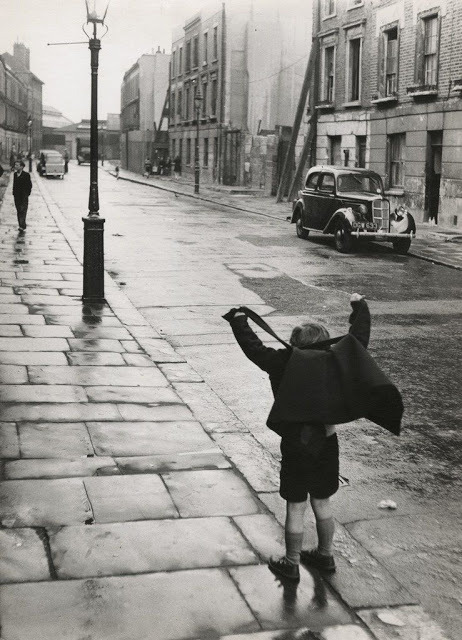
The waves roar around you, and you are wave; the forest
rustles, and you are forest. There is no outside and inside. You fly, a bird in
the air; you swim, a fish in the sea; you absorb light, and you are light; you
taste darkness and are darkness. We wander, soul, we swim and fly, and smile
and tie the torn threads again with ghostly fingers and blissfully drown out
the destroyed pinions. We no longer seek God. We are God. We are the world. We
kill and die along with others. We create and are resurrected with our dreams.
Our most beautiful dream is the blue sky; our most beautiful dream is the sea;
our most beautiful dream is the bright starry night, and is the fish, and is
the clear happy noise and the clear happy light - everything is our dream. Each
one is our most beautiful dream. We have just died and become earth. We have
just invented laughter. We have just arranged a constellation.
Herman Hesse
09 April 2019
Seeing.

Great masses of people these days live out their lives in a dull and loveless stupor. Sensitive persons find our inartistic manner of existence oppressive and painful, and they withdraw from sight. I believe what we lack is joy. The ardor that a heightened awareness imparts to life, the conception of life as a happy thing, as a festival. But the high value put upon every minute of time, the idea of hurry-hurry as the most important objective of living, is unquestionably the most dangerous enemy of joy.
Our ways of enjoying ourselves are hardly less irritating and nerve-racking than the pressure of our work. “As much as possible, as fast as possible” is the motto. And so there is more and more entertainment and less and less joy. This morbid pursuit of enjoyment is purred on by constant dissatisfaction and yet perpetually satiated.
The ability to cherish the “little joy” is intimately connected with the habit of moderation. For this ability, originally natural to every man, presupposes certain things which in modern daily life have largely become obscured or lost, mainly a measure of cheerfulness, of love, and of poesy. These little joys are so inconspicuous and scattered so liberally throughout our daily lives that the dull minds of countless workers hardly notice them. They are not outstanding, they are not advertised, they cost no money!
Just try it once — a tree, or at least a considerable section of sky, is to be seen anywhere. It does not even have to be blue sky; in some way or another the light of the sun always makes itself felt. Accustom yourself every morning to look for a moment at the sky and suddenly you will be aware of the air around you, the scent of morning freshness that is bestowed on you between sleep and labor. You will find every day that the gable of every house has its own particular look, its own special lighting. Pay it some heed if you will have for the rest of the day a remnant of satisfaction and a touch of coexistence with nature. Gradually and without effort the eye trains itself to transmit many small delights, to contemplate nature and the city streets, to appreciate the inexhaustible fun of daily life. From there on to the fully trained artistic eye is the smaller half of the journey; the principal thing is the beginning, the opening of the eyes.
A stretch of sky, a garden wall overhung by green branches, a strong horse, a handsome dog, a group of children, a beautiful face — why should we be willing to be robbed of all this? Whoever has acquired the knack can in the space of a block see precious things without losing a minute’s time. All things have their vivid aspects, even the uninteresting or ugly; one must only want to see.
And with seeing come cheerfulness and love and poesy. The man who for the first time picks a small flower so that he can have it near him while he works has taken a step toward joy in life.
My advice to the person suffering from lack of time and from apathy is this: Seek out each day as many as possible of the small joys, and thriftily save up the larger, more demanding pleasures for holidays and appropriate hours. It is the small joys first of all that are granted us for recreation, for daily relief and disburdenment, not the great ones.
Hermann Hesse
11 July 2018
Germinated.
Hawksmoor, Pathway to Black Manor's Woodland Garden, Castle Howard, Yorkshire, England, 1701

But now a spiritual life germinated in this cultural soil grown old, scholars and artists, painters and poets were born into the dying city. The descendants of those who had once built the first houses on this new ground spent their days smilingly amid a quiet late flowering of the arts. They painted the melancholy splendor of old moss-covered gardens with their weather-beaten statues and green ponds, or wrote sensitive verses about the remote tumult of the old heroic age or the silent dreams of tired men in old palaces.
Herman Hesse
23 January 2018
Instead.
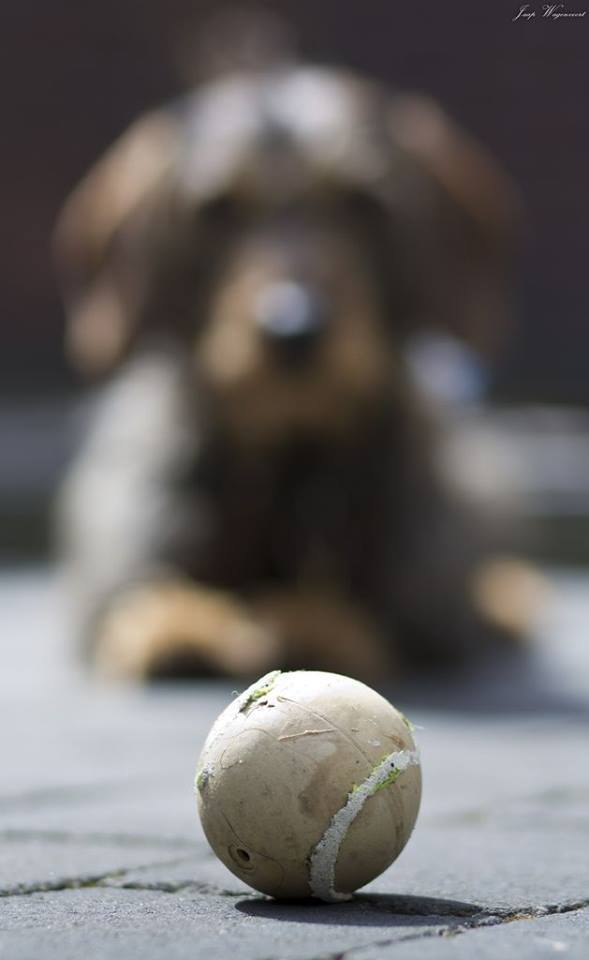
Whoever wants music instead of noise, joy instead of pleasure, soul instead of gold, creative work instead of business, passion instead of foolery, finds no home in this trivial world of ours.
Herman Hesse
20 September 2017
Mystery.

Slowly walking along, Siddhartha pondered. He realized that he was no youth any more, but had turned into a man. He realized that one thing had left him, as a snake is left by its old skin, that one thing no longer existed in him, which had accompanied him throughout his youth and used to be a part of him: the wish to have teachers and to listen to teachings. He had also left the last teacher who had appeared on his path, even him, the highest and wisest teacher, the most holy one, Buddha, he had left him, had to part with him, was not able to accept his teachings.
Slower, he walked along in his thoughts and asked himself: "But what is this, what you have sought to learn from teachings and from teachers, and what they, who have taught you much, were still unable to teach you?" And he found: "It was the self, the purpose and essence of which I sought to learn. It was the self, I wanted to free myself from, which I sought to overcome. But I was not able to overcome it, could only deceive it, could only flee from it, only hide from it. Truly, no thing in this world has kept my thoughts thus busy, as this my very own self, this mystery of me being alive, of me being one and being separated and isolated from all others, of me being Siddhartha! And there is no thing in this world I know less about than about me, about Siddhartha!"
Having been pondering while slowly walking along, he now stopped as these thoughts caught hold of him, and right away another thought sprang forth from these, a new thought, which was: "That I know nothing about myself, that Siddhartha has remained thus alien and unknown to me, stems from one cause, a single cause: I was afraid of myself, I was fleeing from myself! I searched Atman, I searched Brahman, I was willing to to dissect myself and peel off all of its layers, to find the core of all peels in its unknown interior, the Atman, life, the divine part, the ultimate part. But I have lost myself in the process."
Siddhartha opened his eyes and looked around, a smile filled his face and a feeling of awakening from long dreams flowed through him from his head down to his toes. And it was not long before he walked again, walked quickly like a man who knows what he has got to do.
Herman Hesse
25 July 2017
Magical.

The first small town on the southern side of the mountains. Here the true life of wandering begins, the life I love, wandering without any special direction, taking it easy in sunlight, the life of a vagabond wholly free. I am much inclined to live from my rucksack, and let my trousers fray as they like.
While I was having a drink of wine in a garden, I suddenly remembered something Ferruccio Busoni once said to me. "You look so rustic," that dear man said to me with a touch of irony the last time we saw each other -- in Zurich, not so long ago. Andreä had directed a Mahler concert, we sat together in our usual restaurant, I was delighted once again at Busoni's bright pale spiritual face, at the alertness of the most glittering enemy of philistines we still have with us. -- Why does this memory come back?
I know! It's not Busoni I remember, or Zurich, or Mahler. They are just the usual tricks of memory when it comes to uncomfortable things; then harmless images thrust too easily into the front of the mind. I know now! With us in that restaurant sat a blond girl, shining, her cheeks glowing, and I never said a word to her. Angel! All I had to do was look at you, and it was suffering, it was all my delight, oh how I loved you for that whole hour! I was eighteen years old again.
Suddenly everything is clear. Beautiful, brilliantly blond, happy woman! I don't even remember your name. For a whole hour I was in love with you, and today, on the sunny street in this mountain town, I love you again for a whole hour. No matter who has ever loved you, he never loved you more than I do, no man ever granted you more power over himself, unqualified power. But I'm condemned to be untrue. I belong to those windy voices, who don't love women, who love only love.
All of us wanderers are made like this. A good part of our wandering and homelessness is love, eroticism. The romanticism of wandering, at least half of it, is nothing else but a kind of eagerness for adventure. But the other half is another eagerness -- an unconscious drive to transfigure and dissolve the erotic. We wanderers are very cunning -- we develop those feelings which are impossible to fulfill; and the love which actually should belong to a woman, we lightly scatter among small towns and mountains, lakes and valleys, children by the side of the road, beggars on the bridge, cows in the pasture, birds and butterflies. We separate love from its object, love alone is enough for us, in the same way that, in wandering, we don't look for a goal, we only look for the happiness of wandering, only the wandering.
Young woman, fresh face, I don't want to know your name. I don't want to cherish and fatten my love for you. You aren't the end of my love, but its awakening, its beginning. I give this love away, to the flowers along the path, to the glitter of sunlight in my wine glass, to the red onion of the church tower. You make it possible for me to love the world.
Ah, what silly chatter! Last night in my mountain but I dreamed about that blond girl. I was out of my mind in love with her, and would have given up all I have left of life, together with the joys of wandering, only to have her beside me. I have been thinking about her all day today. For her sake I drink my wine and eat my bread. For her sake, in my little book I make my sketches of the small town and the church tower. For her sake, I thank God -- she is alive, and I got my chance to see her. For her sake, I'm going to write a song, and then get drunk on this red wine.
And sure enough: my first peace of heart in the serene south belongs to my yearning for a luminously blond woman on the other side of the mountains. How beautiful, her fresh mouth! How beautiful, how silly, how magical -- this poor life.
Herman Hesse
Thanks, Partner.
Thanks, Partner.
31 March 2017
Cherish.

The ability to cherish the “little joy” is intimately
connected with the habit of moderation. For this ability, originally natural to
every man, presupposes certain things which in modern daily life have largely
become obscured or lost, mainly a measure of cheerfulness, of love, and of
poesy. These little joys are so inconspicuous and scattered so liberally
throughout our daily lives that the dull minds of countless workers hardly
notice them. They are not outstanding, they are not advertised, they cost no money!
Herman Hesse
16 January 2017
Poetry.
Cuvelier, Fountainebleau Forest, 1869
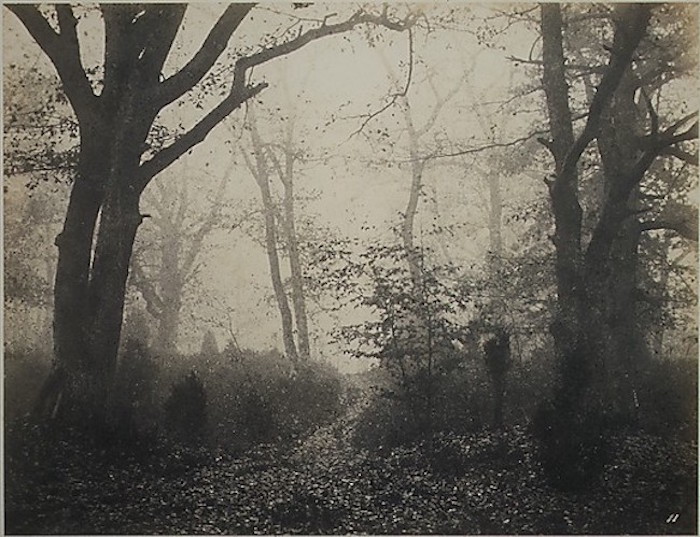 How I used to love the dark, sad evenings of late autumn and winter, how eagerly I imbibed their moods of loneliness and melancholy when wrapped in my cloak I strode for half the night through rain and storm, through the leafless winter landscape, lonely enough then too, but full of deep joy, and full of poetry.
Herman Hesse
22 August 2016
Open.
Reynolds, Self-portrait, 1745
Herman Hesse
The world was so beautiful when regarded like this, without
searching, so simply, in such a childlike way. Moons and stars were beautiful,
beautiful were bank and stream, forest and rocks, goat and gold-bug, flower and
butterfly. So lovely, so delightful to go through the world this way, so like a
child, awake, open to what is near, without distrust.
17 March 2016
Finding.
ParkeHarrison, Sojourn, 2015


When someone seeks,” said Siddhartha, “then it easily
happens that his eyes see only the thing that he seeks, and he is able to find
nothing, to take in nothing because he always thinks only about the thing he is
seeking, because he has one goal, because he is obsessed with his goal. Seeking
means: having a goal. But finding means: being free, being open, having no goal.
Herman Hesse
02 March 2016
Wandering.
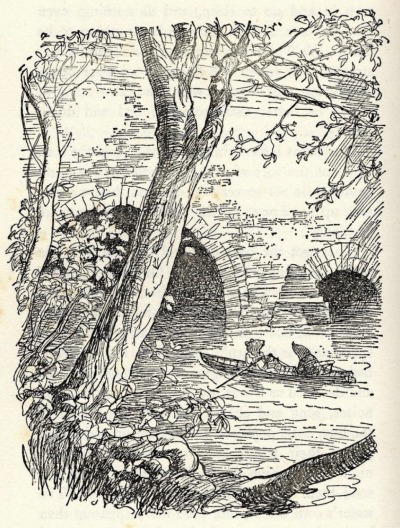
Rackham, Wind in the Willows frontispiece, 1940

I feel life trembling within me, in my tongue, on the soles
of my feet, in my desire or my suffering, I want my soul to be a wandering
thing, able to move back into a hundred forms, I want to dream myself into
priests and wanderers, female cooks and murderers, children and animals, and,
more than anything else, birds and tress; that is necessary, I want it, I need
it so I can go on living, and if sometime I were to lose these possibilities
and be caught in so-called reality, then I would rather die.
Herman Hesse, from Wandering
Herman Hesse, from Wandering
05 February 2016
Anywhere.

Herman Hesse
Subscribe to:
Posts (Atom)