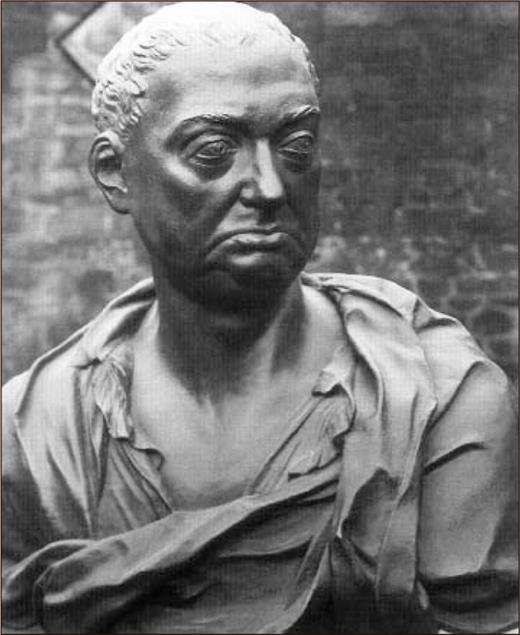
Serov, Open Window, Lilacs, 1886
Showing posts with label wind eye. Show all posts
05 April 2023
15 January 2023
Wind-Eye.
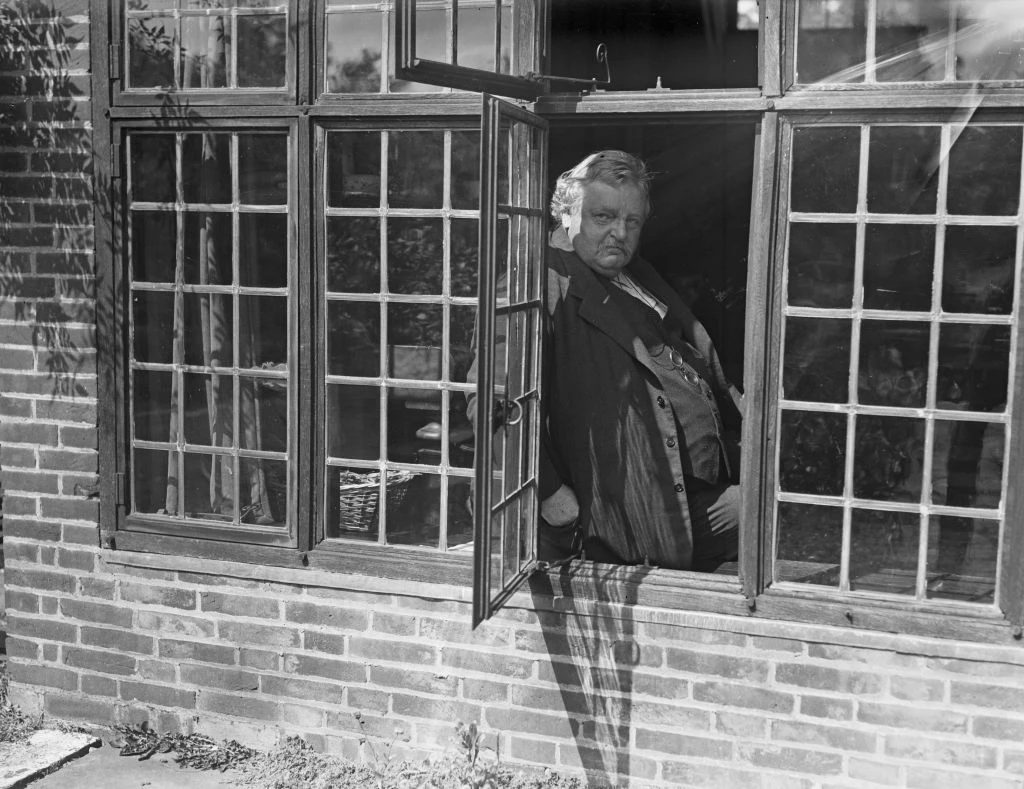
He felt at peace only in the hour before dawn, when the darkness seemed to give way slowly to a mist, and it was at this hour that he would wake and sit by his window.
Peter Ackroyd, from Hawksmoor
From Online Etymology Dictionary ...
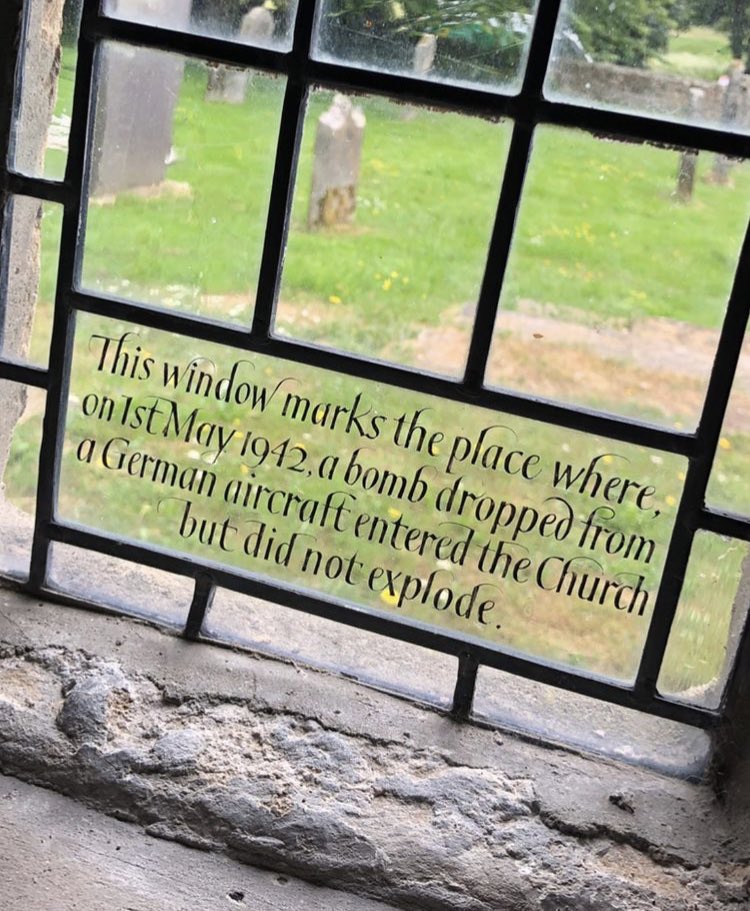
window (n.)c. 1200, literally "wind-eye," from Old Norse vindauga, from vindr "wind" (see wind (n.1)) + auga "eye" (from PIE root *okw- "to see"). Replaced Old English eagþyrl, literally "eye-hole," and eagduru, literally "eye-door." Compare Old Frisian andern "window," literally "breath-door."Originally an unglazed hole in a roof. Most Germanic languages later adopted a version of Latin fenestra to describe the glass version (such as German Fenster, Swedish fönster), and English used fenester as a parallel word till mid-16c.
29 June 2022
18 June 2022
Establish.
A good morning window looks out on some kind of constant object or growing thing, which reflects the changes of season and the weather, and allows a person to establish the mood of the day as soon as he wakes up.
Christopher Alexander, from A Pattern Language, “Sleeping to the East”
24 December 2021
12 December 2021
Wind-eye.
He felt at peace only in the hour before dawn, when the darkness seemed to give way slowly to a mist, and it was at this hour that he would wake and sit by his window.
Peter Ackroyd, from Hawksmoor
From Online Etymology Dictionary ...
window (n.)c. 1200, literally "wind-eye," from Old Norse vindauga, from vindr "wind" (see wind (n.1)) + auga "eye" (from PIE root *okw- "to see"). Replaced Old English eagþyrl, literally "eye-hole," and eagduru, literally "eye-door." Compare Old Frisian andern "window," literally "breath-door."Originally an unglazed hole in a roof. Most Germanic languages later adopted a version of Latin fenestra to describe the glass version (such as German Fenster, Swedish fönster), and English used fenester as a parallel word till mid-16c.
04 December 2021
Peace.
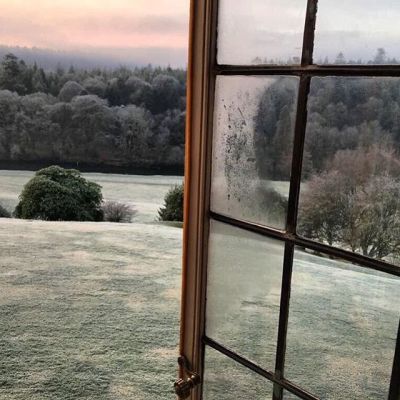
He felt at peace only in the hour before dawn, when the darkness seemed to give way slowly to a mist, and it was at this hour that he would wake and sit by his window.
Peter Ackroyd, from Hawksmoor
From Online Etymology Dictionary ...
window (n.)c. 1200, literally "wind-eye," from Old Norse vindauga, from vindr "wind" (see wind (n.1)) + auga "eye" (from PIE root *okw- "to see"). Replaced Old English eagþyrl, literally "eye-hole," and eagduru, literally "eye-door." Compare Old Frisian andern "window," literally "breath-door."Originally an unglazed hole in a roof. Most Germanic languages later adopted a version of Latin fenestra to describe the glass version (such as German Fenster, Swedish fönster), and English used fenester as a parallel word till mid-16c.
09 February 2021
Bend.
the out-starting of its branches,
its smooth crotches,
its revelations of whiteness,
hoping to see beyond his glances,
the distorting geometry of preconception and habit,
to know it beyond words.

All he has learned of it does not add up to it.
The world is greater than our words.
To speak of it the mind must bend.
Wendell Berry
10 October 2020
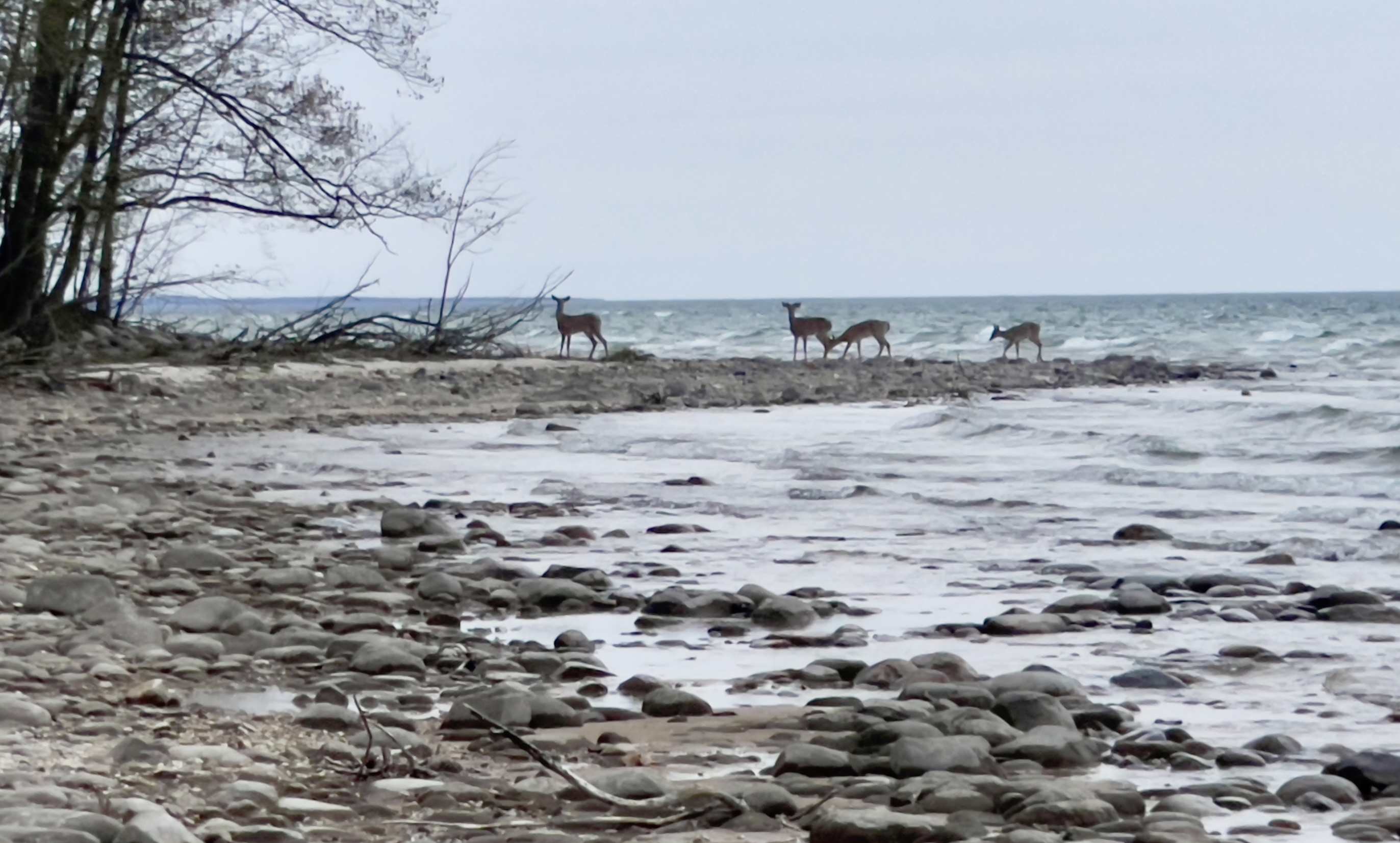
Wild.
FOR the CHIPMUNK in MY YARD
I think he knows I’m alive, having come down
The three steps of the back porch
And given me a good once over. All afternoon
He’s been moving back and forth,
Gathering odd bits of walnut shells and twigs,
While all about him the great fields tumble
To the blades of the thresher. He’s lucky
To be where he is, wild with all that happens.
He’s lucky he’s not one of the shadows
Living in the blond heart of the wheat.
This autumn when trees bolt, dark with the fires
Of starlight, he’ll curl among their roots,
Wanting nothing but the slow burn of matter
On which he fastens like a small, brown flame.
Robert Gibb
Subscribe to:
Posts (Atom)