"I am not one who was born in the custody of wisdom. I am one who is fond of olden times and intense in quest of the sacred knowing of the ancients." Gustave Courbet
Showing posts with label Lubbock. Show all posts

19 June 2026

Opened.

Collier, John Lubbock, 1st Baron Avebury, 1901
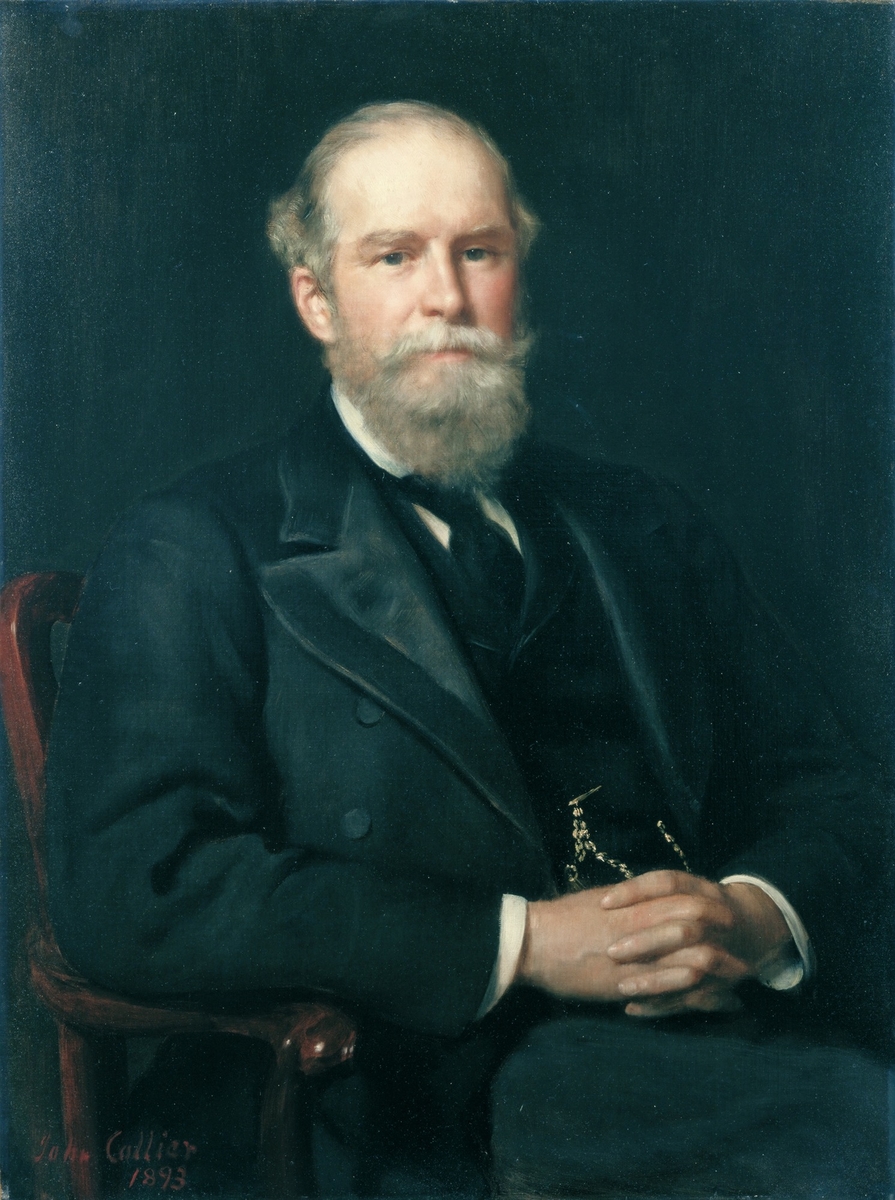

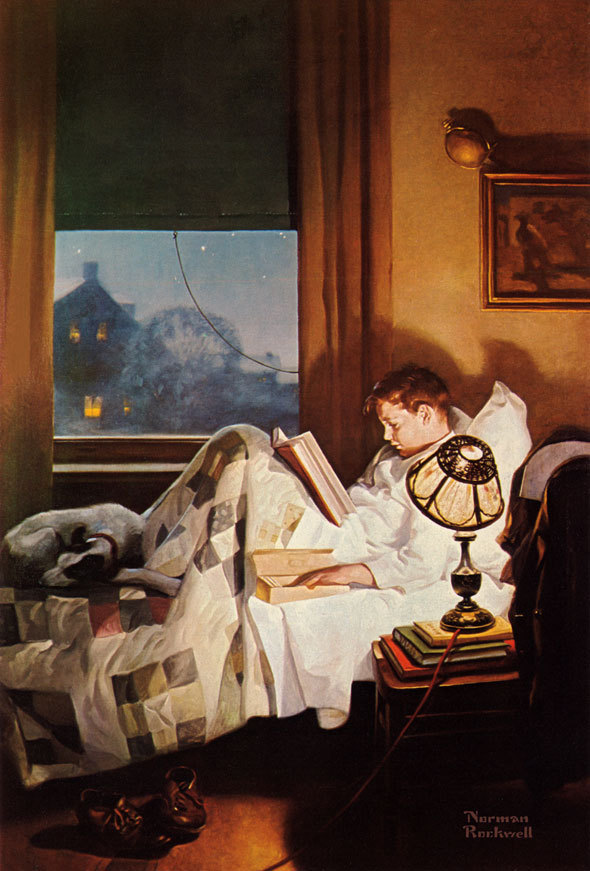
Our great mistake in education is, as it seems to me, the worship of book-learning — the confusion of instruction and education. We strain the memory instead of cultivating the mind. The children in our elementary schools are wearied by the mechanical act of writing, and the interminable intricacies of spelling; they are oppressed by columns of dates, by lists of kings and places, which convey 104no definite idea to their minds, and have no near relation to their daily wants and occupations; while in our public schools the same unfortunate results are produced by the weary monotony of Latin and Greek grammar. We ought to follow exactly the opposite course with children — to give them a wholesome variety of mental food, and endeavor to cultivate their tastes, rather than to fill their minds with dry facts. The important thing is not so much that every child should be taught, as that every child should be given the wish to learn. What does it matter if the pupil knows a little more or a little less? A boy who leaves school knowing much, but hating his lessons, will soon have forgotten almost all he ever learnt; while another who had acquired a thirst for knowledge, even if he had learnt little, would soon teach himself more than the first ever knew. Children are by nature eager for information. This ought to be encouraged. In fact, we may to a great extent trust to their instincts, and in that case they will do much to educate themselves. Too often, however, the acquirement of knowledge is placed before them in a form so irksome and fatiguing that all desire for information is choked, or even crushed out; so that our schools, in fact, become places for the discouragement of learning, and thus produce the very opposite effect from that at which we aim. In short, children should be trained to observe and to think, for in that way there would be opened out to them a source of the purest enjoyment for leisure hours, and the wisest judgment in the work of life.

John Lubbock, from "Education," found in his book The Pleasures of Life

17 July 2024

Contribution.

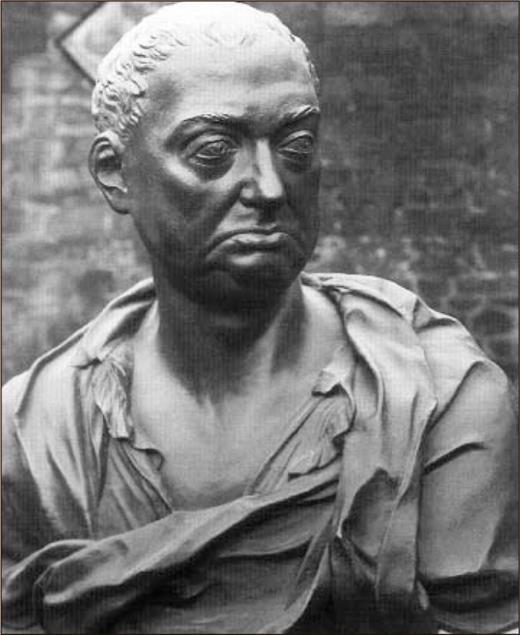
Haines, John Lubbock, 1st Baron Avebury, 1913


Life is a great gift, and as we reach years of discretion, we most of us naturally ask ourselves what should be the main object of our existence. Even those who do not accept "the greatest good of the greatest number" as an absolute rule, will yet admit that we should all endeavor to contribute as far as we may to the happiness of our fellow-creatures. There are many, however, who seem to doubt whether it is right that we should try to be happy ourselves. Our own happiness ought not, of course, to be our main object, nor indeed will it ever be secured if selfishly sought. We may have many pleasures in life, but must not let them have rule over us, or they will soon hand us over to sorrow; and "into what dangerous and miserable servitude doth he fall who suffereth pleasures and sorrows (two unfaithful and cruel commanders) to possess him successively?"
I cannot, however, but think that the world would be better and brighter if our teachers would dwell on the Duty of Happiness as well as on the Happiness of Duty, for we ought to be as cheerful as we can, if only because to be happy ourselves, is a most effectual contribution to the happiness of others.

John Lubbock, from The Pleasures of Life

24 August 2021

Imperfection.

Titian, Sisyphus, 1548

Some thoughts on imperfection.

A Jewish proverb ...

A young man who went to a rabbi and said, “I know that we are commanded to love God with all our heart, all our soul, all our mind, all our strength. But I know that my heart and soul and mind and strength have bad parts in them. So how can I love God?”

After a pause the rabbi replied, “It seems you will just have to love God with the bad parts too.” 
John Lubbock ...
Our great mistake in education is, as it seems to me, the worship of book-learning–the confusion of instruction and education. We strain the memory instead of cultivating the mind. The children in our elementary schools are wearied by the mechanical act of writing, and the interminable intricacies of spelling; they are oppressed by columns of dates, by lists of kings and places, which convey no definite idea to their minds, and have no near relation to their daily wants and occupations; while in our public schools the same unfortunate results are produced by the weary monotony of Latin and Greek grammar. We ought to follow exactly the opposite course with children–to give them a wholesome variety of mental food, and endeavor to cultivate their tastes, rather than to fill their minds with dry facts. The important thing is not so much that every child should be taught, as that every child should be given the wish to learn. What does it matter if the pupil know a little more or a little less? A boy who leaves school knowing much, but hating his lessons, will soon have forgotten almost all he ever learned; while another who had acquired a thirst for knowledge, even if he had learned little, would soon teach himself more than the first ever knew.
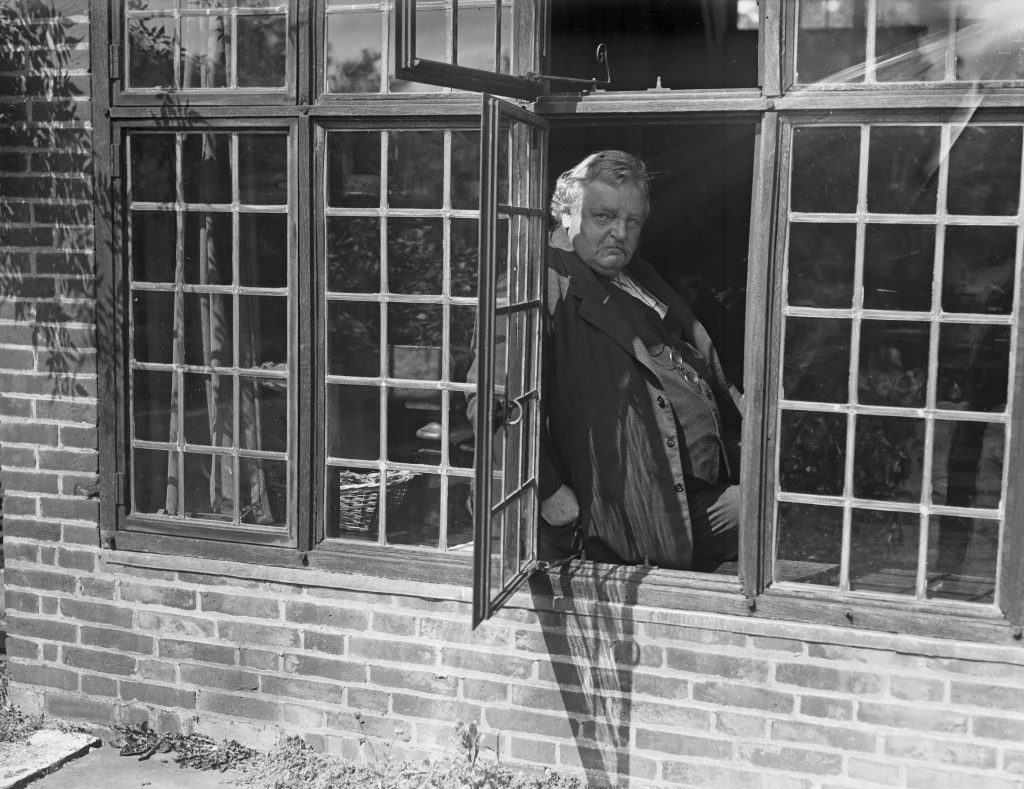
G.K. Chesterton ...
If a thing is worth doing, it is worth doing badly.

21 September 2019

Teach.

Homer, Mink Lake, 1892


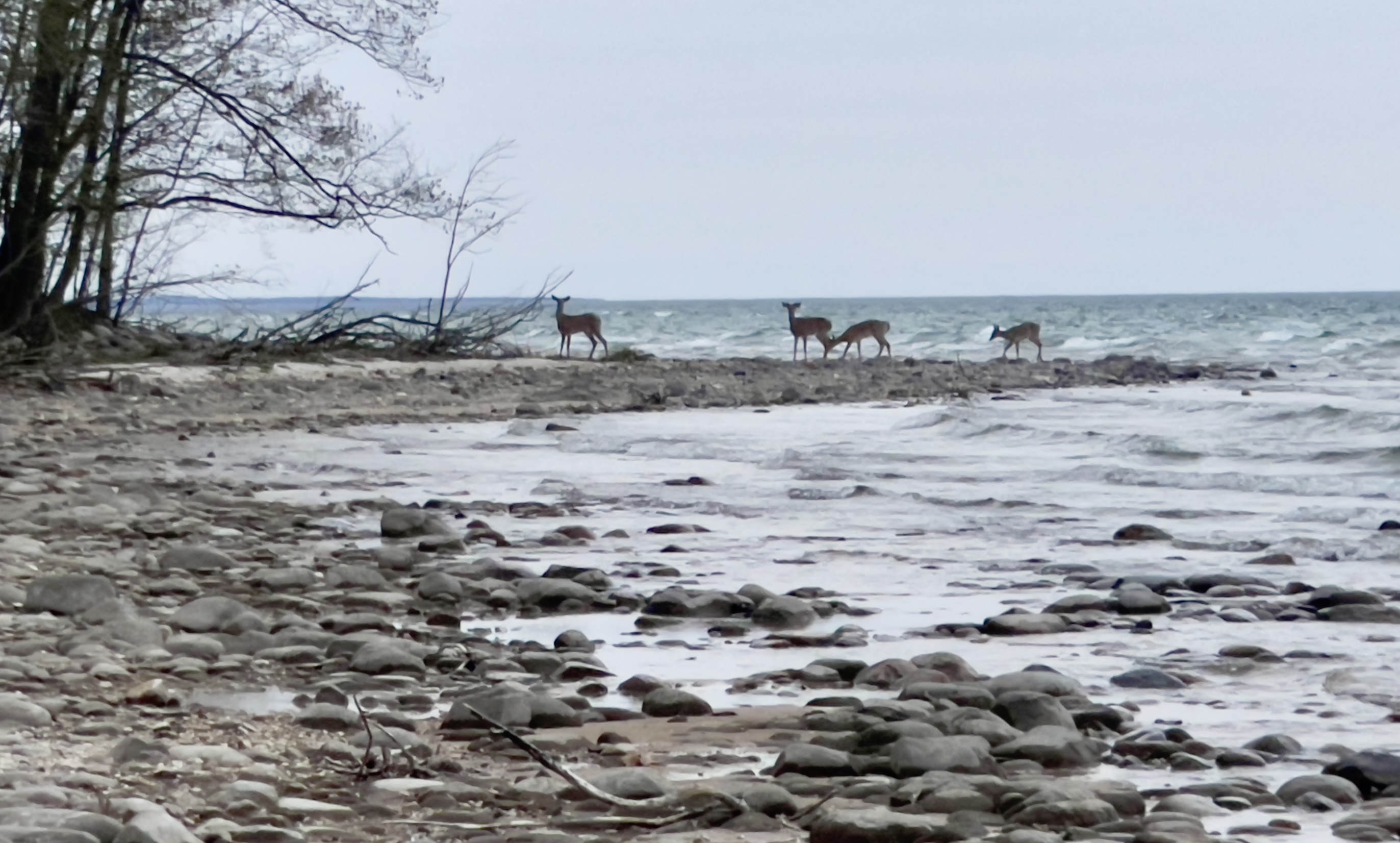
Earth and sky, woods and fields, lakes and rivers, the mountain and the sea, are excellent schoolmasters, and teach of us more than we can ever learn from books.

John Lubbock

04 August 2015

Look.


Look underfoot. You are always nearer to the true sources of your power than you think. The lure of the distant and the difficult is deceptive. The great opportunity is where you are. Don't despise your own place and hour. Every place is the center of the world.

John Burroughs

31 July 2015

Thirst.


Our great mistake in education is, as it seems to me, the worship of book-learning–the confusion of instruction and education. We strain the memory instead of cultivating the mind. The children in our elementary schools are wearied by the mechanical act of writing, and the interminable intricacies of spelling; they are oppressed by columns of dates, by lists of kings and places, which convey no definite idea to their minds, and have no near relation to their daily wants and occupations; while in our public schools the same unfortunate results are produced by the weary monotony of Latin and Greek grammar. We ought to follow exactly the opposite course with children–to give them a wholesome variety of mental food, and endeavor to cultivate their tastes, rather than to fill their minds with dry facts. The important thing is not so much that every child should be taught, as that every child should be given the wish to learn. What does it matter if the pupil know a little more or a little less? A boy who leaves school knowing much, but hating his lessons, will soon have forgotten almost all he ever learned; while another who had acquired a thirst for knowledge, even if he had learned little, would soon teach himself more than the first ever knew.

John Lubbock