
A spoon of cream goes farther than a gallon of skim.
Jewish proverb
“Was he strong enough to schlep barrels of herring? Smart enough to add up a column of numbers on a brown paper bag? Could he make change? Would he look good behind the counter?” If so, “Fine, you can marry him."
Food culture is the only culture that matters. It transcends all others. Art, music, literature -- all important, and will be appreciated and enhanced proportionally with the food culture in which it is found. But, as Harrison says, "If you eat badly, you are very probably living badly."

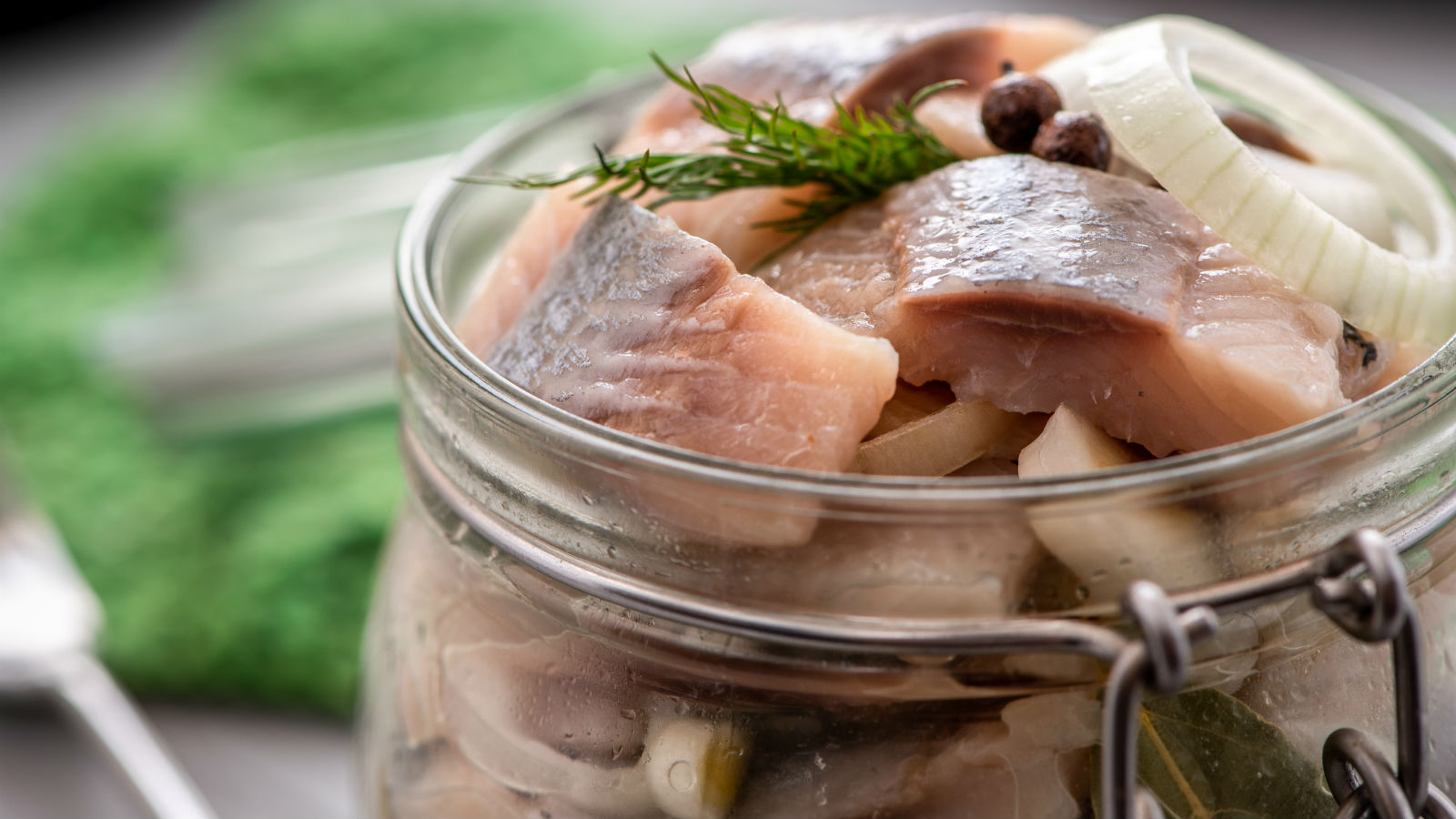

When French settlers came to the Upper Peninsula (UP) in the 1700s, the vast wilderness surrounded by three Great Lakes was populated by nomadic groups, mostly from Chippewa and Menominee indigenous tribes. Generations before fish processors’ smokehouses beckoned locals with wafting aromas, indigenous tribes dried fish over fires (imparting that same blessed smoke) and packed them into fish-skin pouches to subsist on through winter and trade within their vast networks, including a growing cohort of French and, later, English settlers.The Carlsons emigrated from Norway to the then-shipping hub of North Manitou Island in the mid-1800s, where they sold lumber to ships and grew produce to sell to the ships’ cooks before relocating to Fishtown, where they started fishing. They were part of a wave of some 400,000 foreign immigrants who came to Michigan between 1860 and 1900.Indeed, that smoked fish dip also bears striking similarity to the Jewish deli whitefish salad is no coincidence; Ashkenazi Jews who settled in Detroit during those decades sought whitefish for its kosher designation, especially during the fall high holidays, when it’s harvested.This salty spread is a microcosm of the region’s historical and cultural geography.“For over a hundred years, to cater to the markets for Jewish customers in big urban centers like Chicago, Detroit, and New York, where most Jewish people settled, commercial fishermen made sure that they had whitefish and roe available for Rosh Hashanah and Yom Kippur,” says Gilmore, who spent time interviewing commercial fishermen around the UP’s Garden Peninsula. “They coordinated with truckers who’d take the fish to those various markets, and with rabbis who’d fly in each year to inspect the processing areas.”
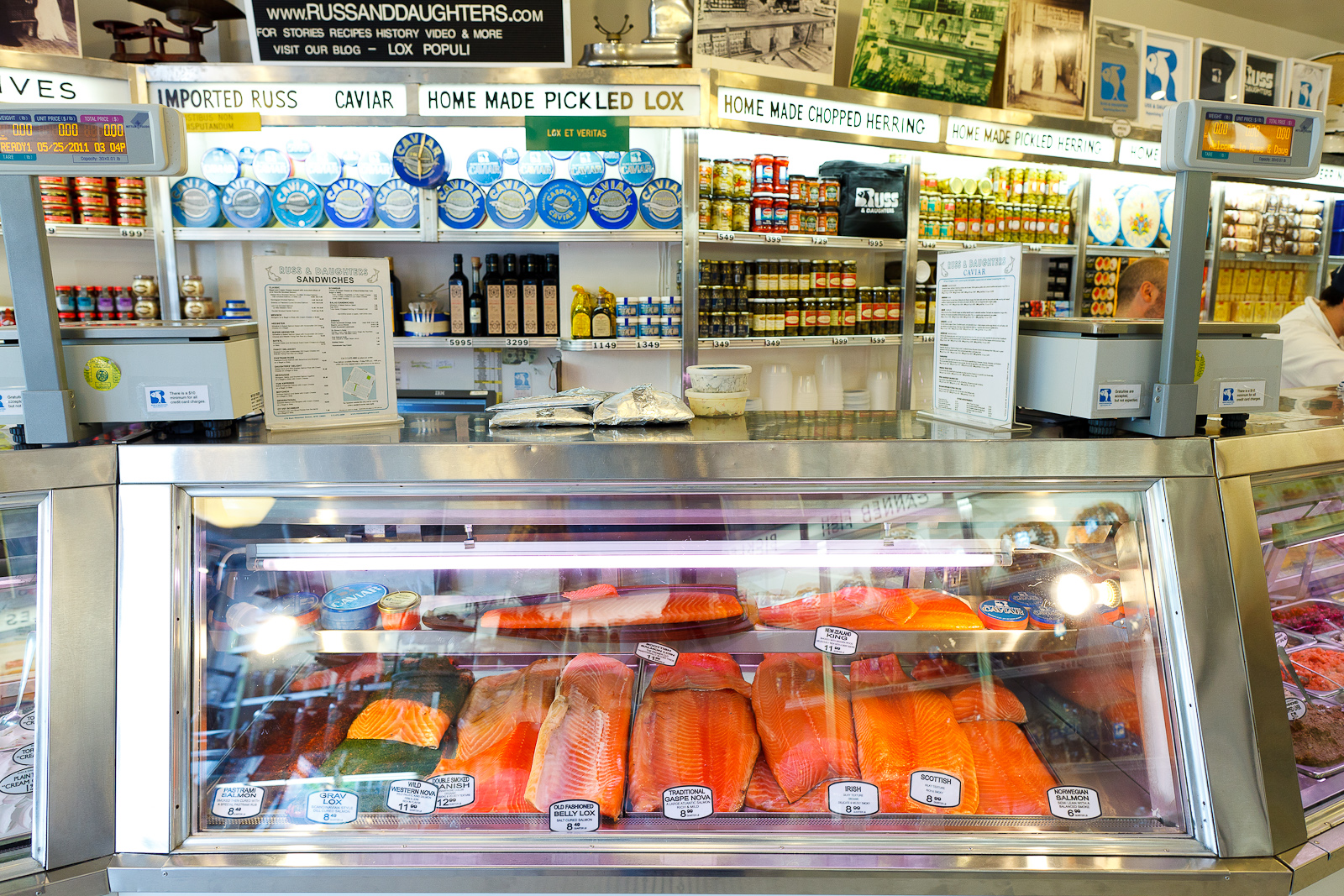
A small sign hangs behind the counter at Russ & Daughters, one of the last old-school emporiums of cured salmon and sundries on Manhattan’s Lower East Side; it reads LOX ET VERITAS—salmon and truth. And that’s exactly what I happened to be looking for on a recent visit to the store.Russ and Daughters'"The Meshugge," sturgeon, sable, and salmon ...

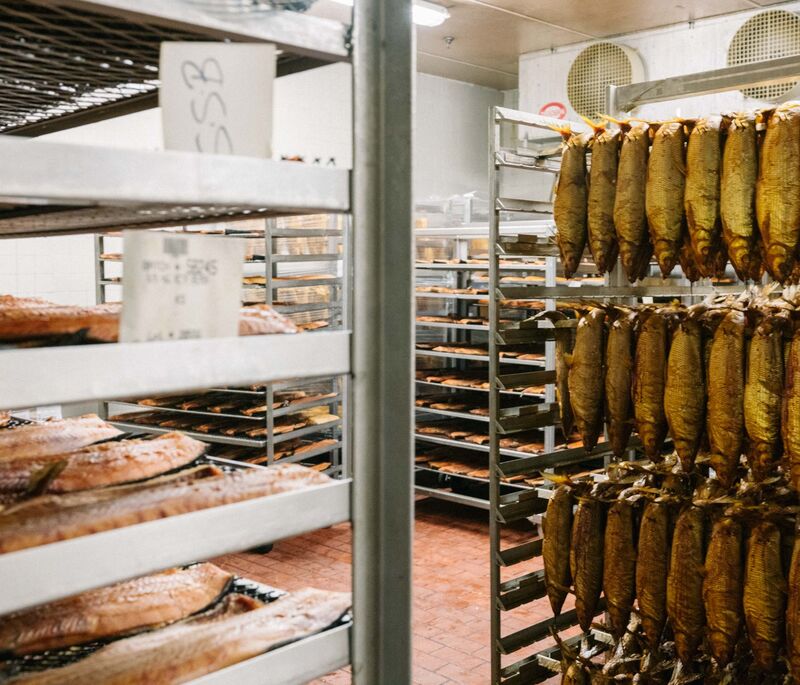
Unlike Acme and Russ & Daughters, Barney Greengrass on the Upper West Side hasn’t expanded since 1938, when it added its restaurant section. “We’re in the same four walls,” said second-generation owner Gary Greengrass, but “pushing the walls as far as they can go.” The store retains its unpretentious charm: Refrigerators are stocked with fresh horseradish, and shelves are lined with Kedem grape juice. The customer base has expanded, but the regulars keep coming back.“As I get older, people that were little kids—now they’re parents themselves,” he said. His son, Moe, takes time off from the eighth grade to help get customers their orders for Yom Kippur, the store’s busiest day of the year.Like all delicious things in America, smoked fish is no longer the domain of any single ethnic group. The Jewish High Holiday season, including Rosh Hashanah, the New Year, and Yom Kippur, aren’t necessarily the biggest sales events of the year for Acme or Russ & Daughters. Christmas is as big, if not bigger, said Richard Schiff, vice president of Northeast sales for Acme.


































































































































