Showing posts with label Glück. Show all posts
Showing posts with label Glück. Show all posts
03 October 2024


22 July 2024
Seek.

MIDSUMMER
On nights like this we used to swim in the quarry,
the boys making up games requiring them to tear off the girls’ clothes
and the girls cooperating, because they had new bodies since last summer
and they wanted to exhibit them, the brave ones
leaping off the high rocks — bodies crowding the water.
The nights were humid, still. The stone was cool and wet,
marble for graveyards, for buildings that we never saw,
buildings in cities far away.
On cloudy nights, you were blind. Those nights the rocks were dangerous,
but in another way it was all dangerous, that was what we were after.
The summer started. Then the boys and girls began to pair off
but always there were a few left at the end — sometimes they’d keep watch,
sometimes they’d pretend to go off with each other like the rest,
but what could they do there, in the woods? No one wanted to be them.
But they’d show up anyway, as though some night their luck would change,
fate would be a different fate.
At the beginning and at the end, though, we were all together.
After the evening chores, after the smaller children were in bed,
then we were free. Nobody said anything, but we knew the nights we’d meet
and the nights we wouldn’t. Once or twice, at the end of summer,
we could see a baby was going to come out of all that kissing.
And for those two, it was terrible, as terrible as being alone.
The game was over. We’d sit on the rocks smoking cigarettes,
worrying about the ones who weren’t there.
And then finally walk home through the fields,
because there was always work the next day.
And the next day, we were kids again, sitting on the front steps in the morning,
eating a peach. Just that, but it seemed an honor to have a mouth.
And then going to work, which meant helping out in the fields.
One boy worked for an old lady, building shelves.
The house was very old, maybe built when the mountain was built.
And then the day faded. We were dreaming, waiting for night.
Standing at the front door at twilight, watching the shadows lengthen.
And a voice in the kitchen was always complaining about the heat,
wanting the heat to break.
Then the heat broke, the night was clear.
And you thought of the boy or girl you’d be meeting later.
And you thought of walking into the woods and lying down,
practicing all those things you were learning in the water.
And though sometimes you couldn’t see the person you were with,
there was no substitute for that person.
The summer night glowed; in the field, fireflies were glinting.
And for those who understood such things, the stars were sending messages:
You will leave the village where you were born
and in another country you’ll become very rich, very powerful,
but always you will mourn something you left behind, even though
you can’t say what it was,
and eventually you will return to seek it.
Louise Glück
R.E.M., "Nightswimming" ...
15 September 2022
Haunts.
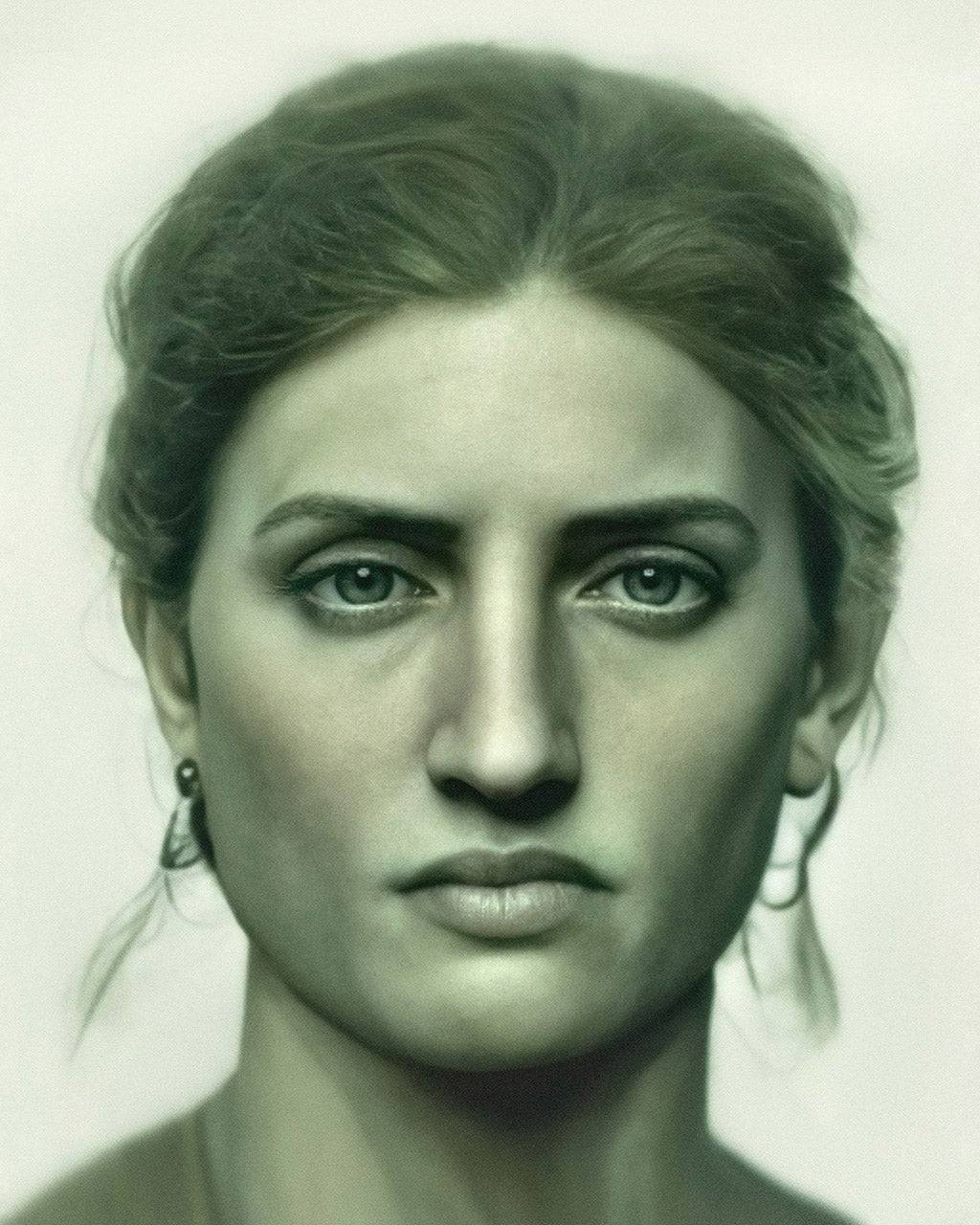
Peretti-Griva, Italian Girl, 1920

Poetry survives because it haunts and it haunts because it is simultaneously utterly clear and deeply mysterious, because it cannot be entirely accounted for, it cannot be exhausted.
Louise Glück
28 September 2019
Once.

There was an apple tree in the yard —
this would have been
forty years ago — behind,
only meadows. Drifts
off crocus in the damp grass.
I stood at that window:
late April. Spring
flowers in the neighbor's yard.
How many times, really, did the tree
flower on my birthday,
the exact day, not
before, not after? Substitution
of the immutable
for the shifting, the evolving.
Substitution of the image
for relentless earth. What
do I know of this place,
the role of the tree for decades
taken by a bonsai, voices
rising from tennis courts —
Fields. Smell of the tall grass, new cut.
As one expects of a lyric poet.
We look at the world once, in childhood.
The rest is memory.
Louise Glück
31 July 2017
Mysteries.

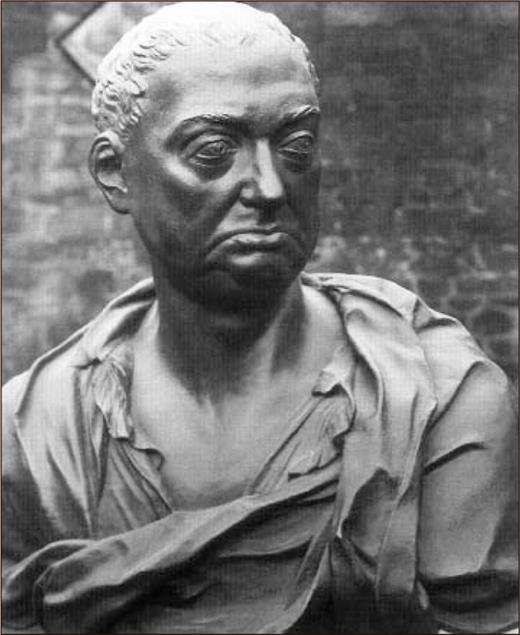
I do not think that more information always makes a richer poem. The unsaid, for me, exerts great power: often I wish an entire poem could be made in this vocabulary. It is analogous to the unseen for example, to the power of ruins, to works of art either damaged or incomplete. Such works inevitably allude to larger contexts; they haunt because they are not whole, though wholeness is implied: another time, a world in which they were whole, or were to have been whole, is implied. There is no moment in which their first home is felt to be the museum. It seems to me that what is wanted, in art, is to harness the power of the unfinished. All earthly experience is partial. Not simply because it is subjective, but because that which we do not know, of the universe, of mortality, is so much more vast than that which we do know. What is unfinished or has been destroyed participates in these mysteries. The problem is to make a whole that does not forfeit this power.
Louise Glück
Subscribe to:
Posts (Atom)