Far spread the moorey ground a level scene
Bespread with rush and one eternal green
That never felt the rage of blundering plough
Though centurys wreathed springs blossoms on its brow
Still meeting plains that stretched them far away
In uncheckt shadows of green brown and grey
Unbounded freedom ruled the wandering scene
Nor fence of ownership crept in between
To hide the prospect of the following eye
Its only bondage was the circling sky
One mighty flat undwarfed by bush and tree
Spread its faint shadow of immensity
And lost itself which seemed to eke its bounds
In the blue mist the horizons edge surrounds
Now this sweet vision of my boyish hours
Now this sweet vision of my boyish hours
Free as spring clouds and wild as summer flowers
Is faded all—a hope that blossomed free
And hath been once no more shall ever be
Inclosure came and trampled on the grave
Of labours rights and left the poor a slave
And memory’s pride ere want to wealth did bow
Is both the shadow and the substance now
The sheep and cows were free to range as then
The sheep and cows were free to range as then
Where change might prompt nor felt the bonds of men
Cows went and came with evening morn and night
To the wild pasture as their common right
And sheep unfolded with the rising sun
Heard the swains shout and felt their freedom won
Tracked the red fallow field and heath and plain
Then met the brook and drank and roamed again
The brook that dribbled on as clear as glass
Beneath the roots they hid among the grass
While the glad shepherd traced their tracks along
Free as the lark and happy as her song
But now alls fled and flats of many a dye
But now alls fled and flats of many a dye
That seemed to lengthen with the following eye
Moors loosing from the sight far smooth and blea
Where swopt the plover in its pleasure free
Are vanished now with commons wild and gay
As poets visions of life’s early day
Mulberry bushes where the boy would run
To fill his hands with fruit are grubbed and done
And hedgerow briars—flower lovers overjoyed
Came and got flower pots—these are all destroyed
And sky bound mores in mangled garbs are left
Like mighty giants of their limbs bereft
Fence now meets fence in owners little bounds
Fence now meets fence in owners little bounds
Of field and meadow large as garden grounds
In little parcels little minds to please
With men and flocks imprisoned ill at ease
Each little path that led its pleasant way
As sweet as morning leading night astray
Where little flowers bloomed round a varied host
That travel felt delighted to be lost
Nor grudged the steps that he had taen as vain
When right roads traced his journeys and again
Nay on a broken tree hed sit awhile
To see the mores and fields and meadows smile
Sometimes with cowslaps smothered—then all white
With daiseys—then the summers splendid sight
Of cornfields crimson oer the 'headach' bloomd
Like splendid armys for the battle plumed
He gazed upon them with wild fancys eye
As fallen landscapes from an evening sky
These paths are stopt—the rude philistines thrall
These paths are stopt—the rude philistines thrall
Is laid upon them and destroyed them all
Each little tyrant with his little sign
Shows where man claims earth glows no more divine
But paths to freedom and to childhood dear
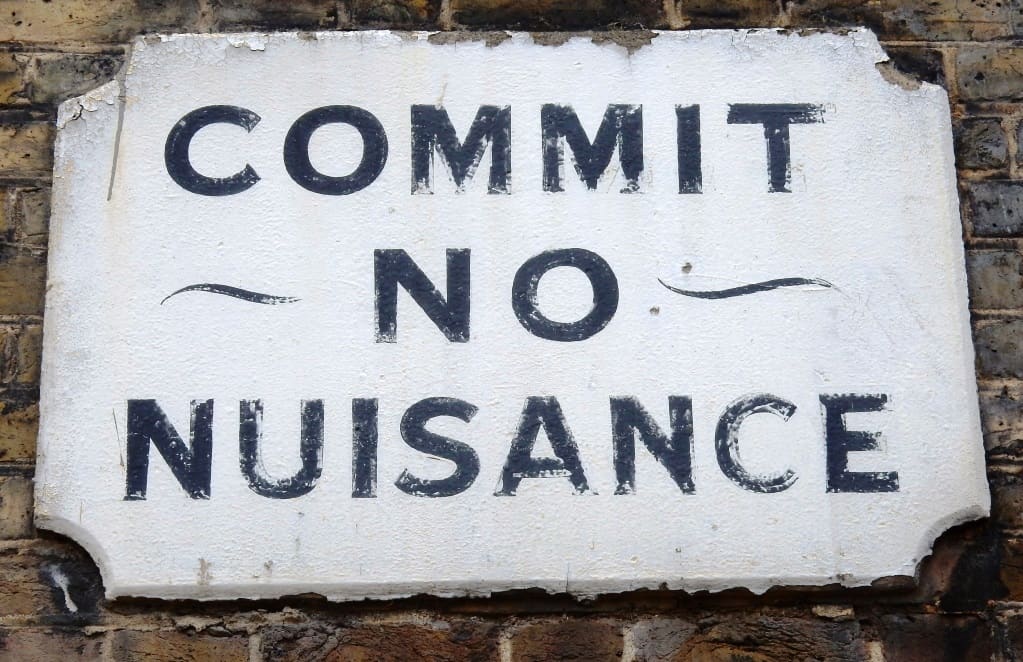
A board sticks up to notice “no road here
And on the tree with ivy overhung
The hated sign by vulgar taste is hung
As tho the very birds should learn to know
When they go there they must no further go
This with the poor scared freedom bade goodbye
And much they feel it in the smothered sigh
And birds and trees and flowers without a name
All sighed when lawless laws enclosure came
And dreams of plunder in such rebel schemes
Have found too truly that they were but dreams
Have found too truly that they were but dreams
John Clare