CHAPTER NINETEEN
Two or three days and nights went by; I reckon I might say
they swum by, they slid along so quiet and smooth and lovely. Here is the way
we put in the time. It was a monstrous big river down there- sometimes a mile
and a half wide; we run nights, and laid up and hid day-times; soon as night
was most gone, we stopped navigating and tied up- nearly always in the dead
water under a tow-head; and then cut young cottonwoods and willows and hid the
raft with them. Then we set out the lines. Next we slid into the river and had
a swim, so as to freshen up and cool off; then we set down on the sandy bottom
where the water was about knee deep, and watched the daylight come. Not a
sound, anywheres- perfactly still- just like the whole world was asleep, only
sometimes the bull-frogs a-cluttering, maybe. The first thing to see, looking
away over the water, was a kind of dull line- that was the woods on t'other
side- you couldn't make nothing else out; then a pale place in the sky; then
more paleness, spreading around; then the river softened up, away off, and
warn't black any more, but gray; you could see little dark spots drifting
along, ever so far away-trading scows, and such things; and long black streaks-
rafts; sometimes you could hear a sweep screaking; or jumbled up voices, it was
so still, and sounds come so far; and by-and-by you could see a streak on the
water which you know by the look of the streak that there's a snag there in a
swift current which breaks on it and makes that streak look that way; and you
see the mist curl up off of the water, and the east reddens up, and the river,
and you make out a log cabin in the edge of the woods, away on the bank on
t'other side of the river, being a wood-yard, likely, and piled by them cheats
so you can throw a dog through it anywheres; then the nice breeze blows up, and
comes fanning you from over there, so cool and fresh, and sweet to smell, on
account of the woods and the flowers; but sometimes not that way, because
they've left dead fish laying around, gars, and such, and they do get pretty
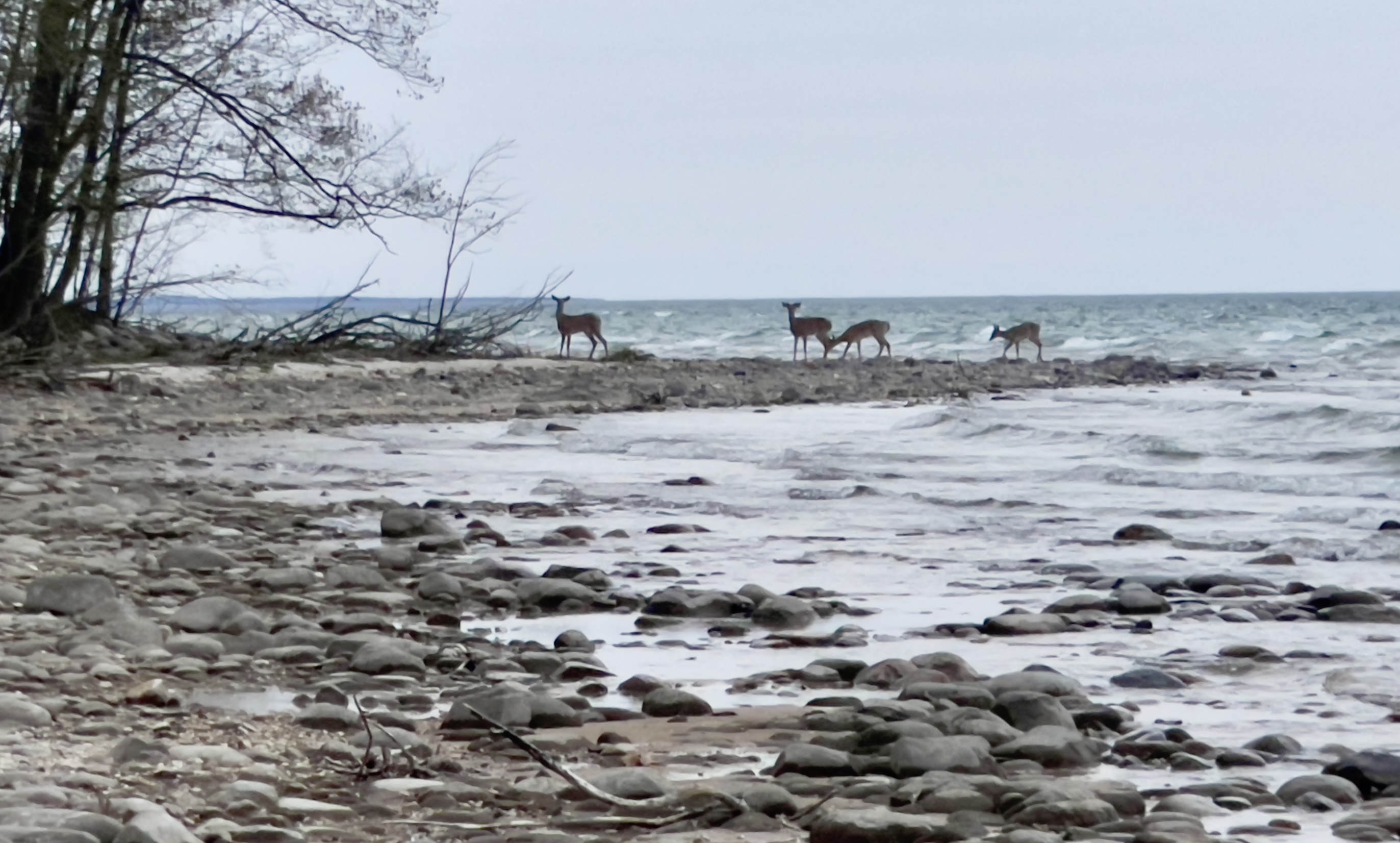
rank; and next you've got the full day, and everything smiling in the sun, and
the song-birds just going it!
A little smoke couldn't be noticed, now, so we would take
some fish off of the lines, and cook up a hot breakfast. And afterwards we
would watch the lonesomeness of the river, and kind of lazy along, and
by-and-by lazy off to sleep. Wake up, by-and-by, and look to see what done it,
and maybe see a steamboat, coughing along up stream, so far off towards the other
side you couldn't tell nothing about her only whether she was stern-wheel or
side-wheel; then for about an hour there wouldn't be nothing to hear nor
nothing to see- just solid lonesomeness. Next you'd see a raft sliding by, away
off yonder, and maybe a galoot on it chopping, because they're most always
doing it on a raft; you'd see the ax flash, and come down- you don't hear
nothing; you see that ax go up again, and by the time it's above the man's
head, then you hear the k'chunk!- it had took all that time to come over the
water. So we would put in the day, lazying around, listening to the stillness.
Once there was a thick fog, and the rafts and things that went by was beating
tin pans so the steamboats wouldn't run over them. A scow or a raft went by so
close we could hear them talking and cussing and laughing- heard them plain;
but we couldn't see no sign of them; it made you feel crawly, it was like
spirits carrying on that way in the air. Jim said he believed it was spirits;
but I says: "No, spirits wouldn't say, 'dern the dern fog.'"
Soon as it was night, out we shoved; when we got her out to
about the middle, we let her alone, and let her float wherever the current
wanted her to; then we lit the pipes, and dangled our legs in the water and
talked about all kinds of things- we was always naked, day and night, whenever
the mosquitoes would let us- the new clothes Buck's folks made for me was too
good to be comfortable, and besides I didn't go much on clothes, nohow.
Sometimes we'd have that whole river all to ourselves for
the longest time. Yonder was the banks and the islands, across the water; and
maybe a spark- which was a candle in a cabin window- and sometimes on the water
you could see a spark or two- on a raft or a scow, you know; and maybe you could
hear a fiddle or a song coming over from one of them crafts. It's lovely to
live on a raft. We had the sky, up there, all speckled with stars, and we used
to lay on our backs and look up at them, and discuss about whether they was
made, or only just happened- Jim he allowed they was made, but I allowed they
happened; I judged it would have took too long to make so many. Jim said the
moon could a laid them; well, that looked kind of reasonable, so I didn't say
nothing against it, because I've seen a frog lay most as many, so of course it
could be done. We used to watch the stars that fell, too, and see them streak
down. Jim allowed they'd got spoiled and was hove out of the nest.
Once or twice of a night we would see a steamboat slipping
along in the dark, and now and then she would belch a whole world of sparks up
out of her chimbleys, and they would rain down in the river and look awful
pretty; then she would turn a corner and her lights would wink out and her
pow-wow shut off and leave the river still again; and by-and-by her waves would
get to us, a long time after she was gone, and joggle the raft a bit, and after
that you wouldn't hear nothing for you couldn't tell how long, except maybe
frogs or something.
After midnight the people on shore went to bed, and then for
two or three hours the shores was black- no more sparks in the cabin windows.
These sparks was our clock -- the first one that showed again meant morning was coming,
so we hunted a place to hide and tie up, right away.
Mark Twain, The Adventures of Huckleberry Finn