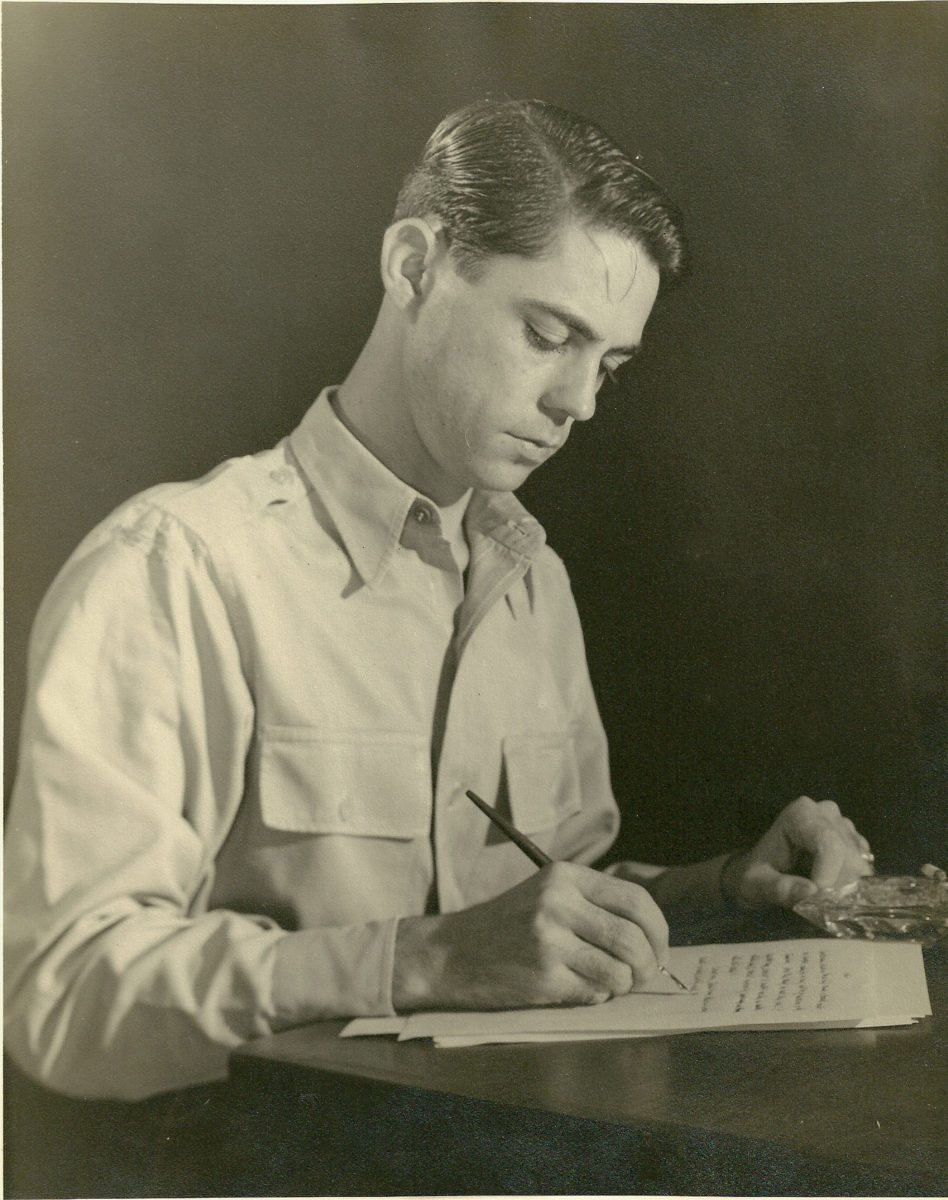
Garden & Gun on the enduring quality of Shelby Foote's Civil War ...
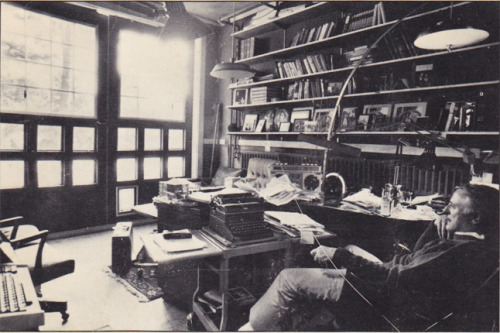
Like Homer, Foote focused on two things: the clash of arms and the lives of the warriors. The grand issues of politics and diplomacy, of economics and culture, mattered less to Foote than re-creating the reality of battle. “The idea is to strike fire,” he wrote, “prodding the reader much as combat quickened the pulses of the people at the time.” Critics took Foote to task for this single-minded focus, but he believed in his approach, and stuck to it. “I think the superiority of Southern writers lies in our driving interest in just…two things, the story and the people.” In a way, Foote is one of the little-noted pioneers of the New Journalism, the movement to bring fictional technique to nonfiction subjects, elevating journalism, history, and biography to the level of literature.He also saw himself working in a broader tradition than that of many mainstream historians. “My hope was that if I wrote well enough about what you would have seen with your own eyes, you yourself would see how those things, the politics and economics, entered in,” he said. “I quite deliberately left those things out. My job was to put it all in perspective, to give it shape. Look at Flaubert: He didn’t criticize Emma Bovary as a terrible woman; he didn’t judge her; he just put down what happened.”Time has vindicated his view. There are other books about other parts of the war—great books. No other volumes, however, put the reader in the horror and the haze so effectively and so memorably. It was hard but rewarding work. “The battle scenes are lit by a strange, lurid light…. I have never enjoyed writing so much as I do this writing,” he wrote. “It goes dreadful slow; sometimes I feel like I’m trying to bail out the Mississippi with a teacup; but I like it, I like it.” He grew obsessive in his study in Memphis: “All I want is to work at my book, a great wide sea of words.”He visited the battlefields in season, walking them at the same time of year as the soldiers had walked them. “For one thing, it’s teaching me to love my country—especially the South, but all the rest as well. I’m learning so many things: geography, for instance. I never saw this country before now—the rivers and mountains, the watersheds and valleys.” The books are as much a biography of the land and the elements as they are of the men who fought the war: It is the accumulation of such atmospheric detail that lends the trilogy much of its vivid novelistic feel.
I read somewhere that when Foote shipped off to Europe for to serve in World War Two, he took only one book, G.F.R. Henderson's, Stonewall Jackson and the American Civil War.



























































































No comments:
Post a Comment