
Harrison on preserving the sacred ...
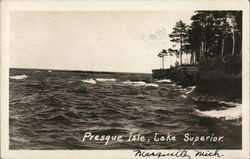
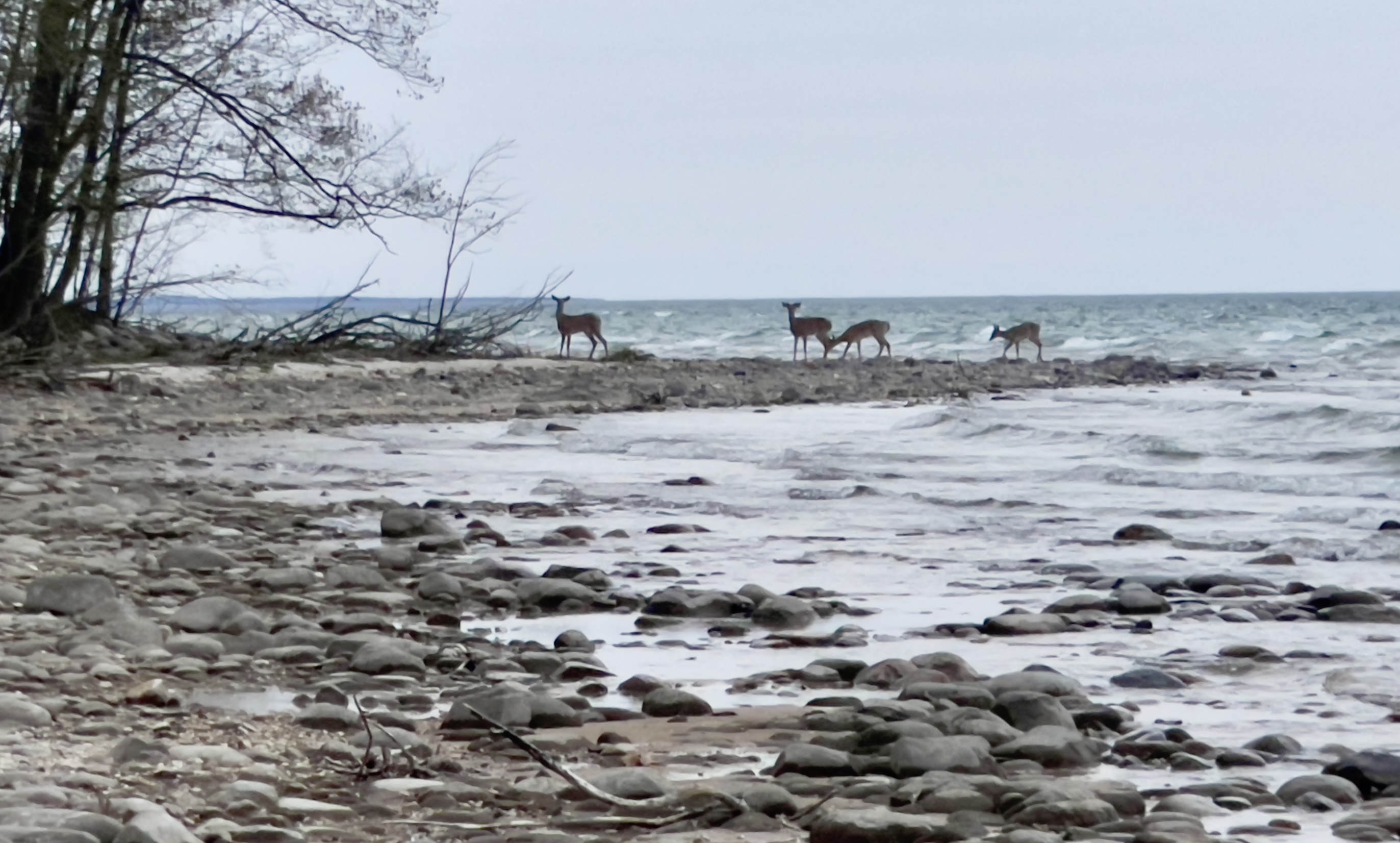
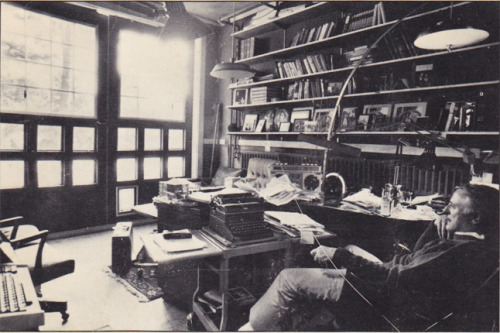
In the past few years I have spent more time than I wished wondering how I evolved a land ethic that so troubles my sleep. Up above my desk I keep a small piece of paper that states “You’re just a writer,” which is what a studio head in Hollywood barked at me years ago. Though meant as an insult, this is an essential idea, in that it promotes the humility needed to function as a human being rather than as an ideologue, an altruistic ranter and raver, a religious lunatic who believes that God gave us the earth and we have metaphorically an actually chewed off the fingers and hands of the gift giver. Unfortunately, with my overfed imagination I can see this vision in the manner of a William Blake or Goya painting. To return myself to earth I walk daily with my dog in empty areas that are naked, blasted, and gutted of their essential nature by our own behavior. They are still beautiful, these mountains and valleys in the Southwest and the rivers and forests of my native northern Michigan. They would be much more beautiful if I didn’t know what they could look like, but then they will have to do because they’re all that we have.
Further ...
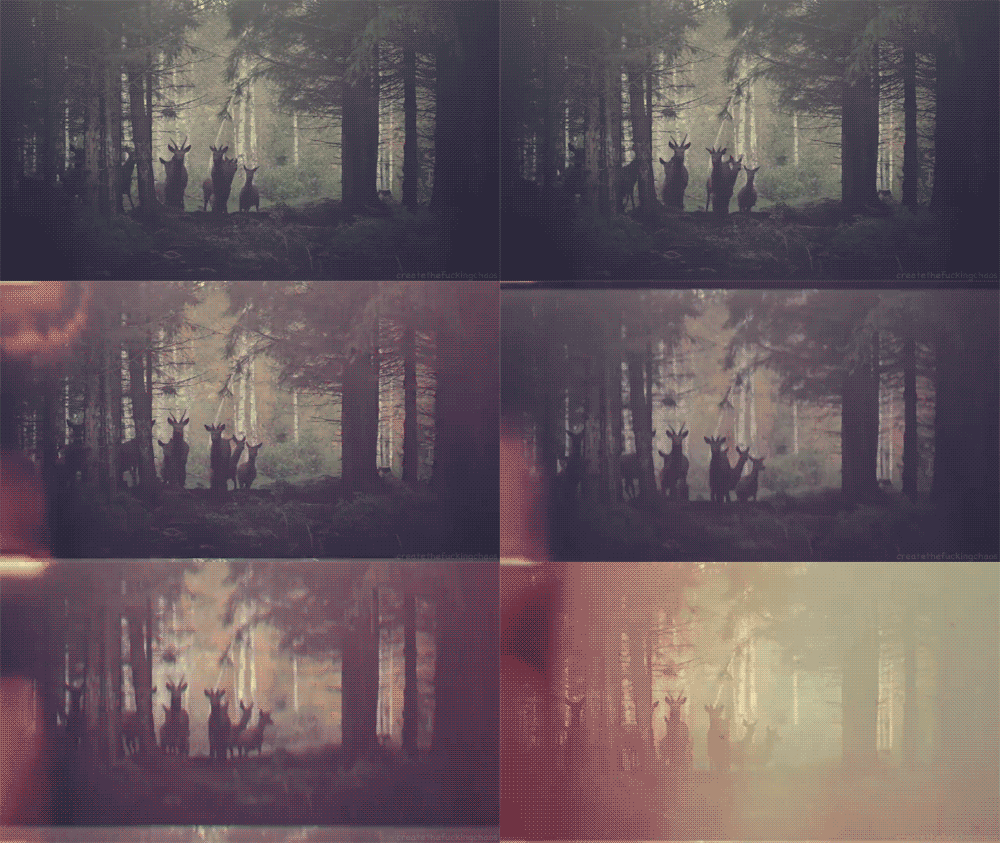
At my remote cabin, during my sixty-third summer, I dreamt that after a lifetime in which I had spent thousands and thousands of days outdoors looking “at” nature, I was finally inside nature looking out. The meaning of this was imprecise, but the feelings have stayed with me. As a poet, it became far simpler to imagine myself a tree or a boulder, a creek or a field, and easier yet to imagine myself a fellow mammal. When Shakespeare said, “We are nature, too”, he was making a leap away from the fundamental schizophrenia in Western culture that few have made. At my cabin made of logs there is less distance between inside and outside. You can smell the heart of the forest as you sleep, and hear the river passing by the north side of the cabin. At my winter casita, near the Mexican border, the walls are made of adobe, the dried mud of earth. This is comforting, but it doesn’t discount the elegant imagination of man. I once visited a bedridden old woman in the immense bedroom of her hunting lodge in the Forest of Rambouillet, in France. The walls were of quarried stone and covered with ancient tapestries. From the ceiling were suspended hundreds of sets of bronze-tagged stag antlers, the history of centuries of hunting. The property had once been owned by Charlemagne, and the lodge itself seemed to grow out of the forest. The inside and outside circulated freely between each other. I felt as comfortable there as I had sitting in the doorway of an abandoned Hogan on the Navajo Reservation watching the dawn, which seemed to emerge from the ground and into the sky.




































































































No comments:
Post a Comment