
There is a tendency of people in universities to think that what’s going on in the university is what really matters and that was the case of Bloom. When he was talking about the closing of the American mind, he really meant the fact that he couldn’t talk to his students anymore. Outside the universities there are all kinds of natural, normal Americans still existing, going about their business, going to church services. America has remained a devoted, devout Christian society through all these things — at least, if you’re outside the cities and also if you’re outside the universities, a basically decent society. So the fact is that it wasn’t as bad as he thought, it was just bad for him. But he had a point because what he was saying was that relativism had made it impossible for him to teach the curriculum as though it had any objective authority. That was really what upset him. You couldn’t really say to the student, here is Shakespeare, just look; here is Steinbeck, just look. Surely you’ve got to see that that first thing is not just better, but touching on the human reality in a deeper way. And his students would say: “That’s your view, I’ve got my Bob Dylan” — which is a million times better than what they have now. There is a problem if you can’t teach the old curriculum in the humanities because of this relativism; what are you going to teach students? Increasingly, people teach pseudo-sciences instead: the deconstructionist analysis of Steinbeck. Or instead of teaching esthetics, neuro-esthetics — not knowing quite what that is, except it’s Beethoven plus brain scans.
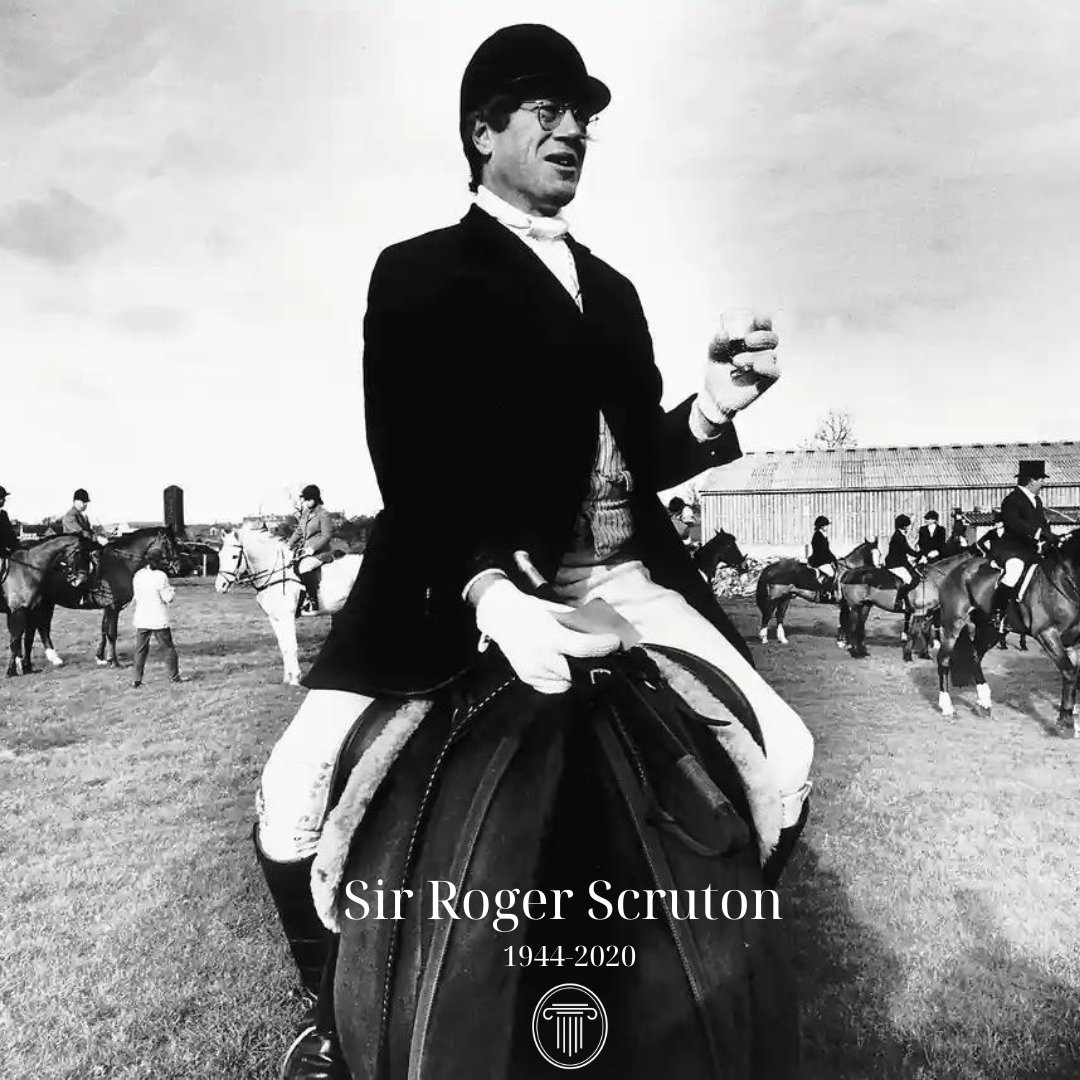
Sir Roger Scruton, from "On Moral Relativism"













































































































No comments:
Post a Comment