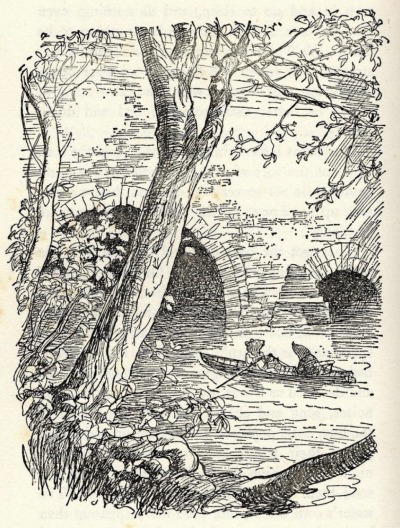
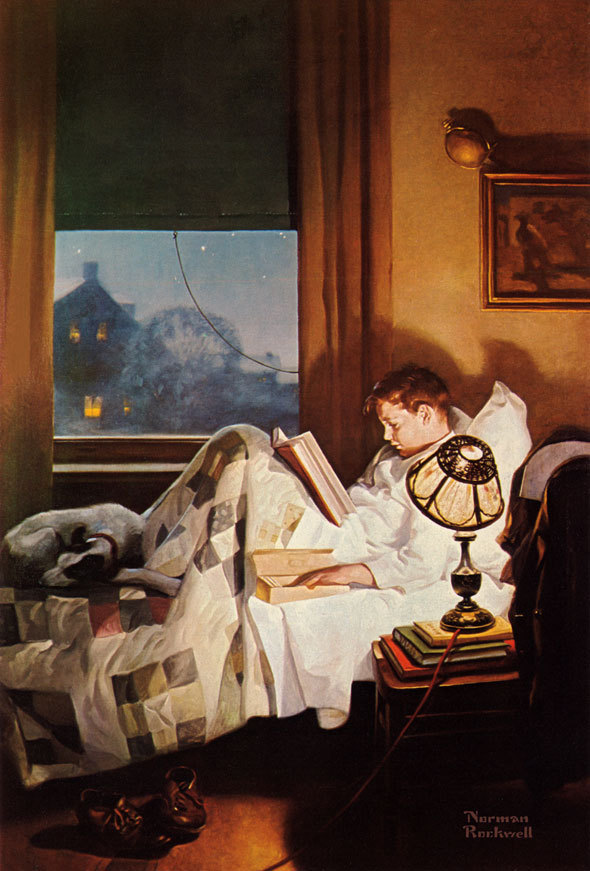
Ruskin, Trees in a Lane, 1847

No air is sweet that is silent; it is only sweet when full of low currents of under sound—triplets of birds, and murmur and chirp of insects, and deep-toned words of men, and wayward trebles of childhood. As the art of life is learned, it will be found at last that all lovely things are also necessary:—the wild flower by the wayside, as well as the tended corn; and the wild birds and creatures of the forest, as well as the tended cattle; because man doth not live by bread only, but also by the desert manna; by every wondrous word and unknowable work of God. Happy, in that he knew them not, nor did his fathers know; and that round about him reaches yet into the infinite, the amazement of his existence.
Note, finally, that all effectual advancement towards this true felicity of the human race must be by individual, not public effort. Certain general measures may aid, certain revised laws guide, such advancement; but the measure and law which have first to be determined are those of each man's home. We continually hear it recommended by sagacious people to complaining neighbours (usually less well placed in the world than themselves), that they should "remain content in the station in which Providence has placed them." There are perhaps some circumstances of life in which Providence has no intention that people should be content. Nevertheless, the maxim is on the whole a good one; but it is peculiarly for home use. That your neighbour should, or should not, remain content with his position, is not your business; but it is very much your business to remain content with your own.
John Ruskin, from Unto This Last





















































































No comments:
Post a Comment